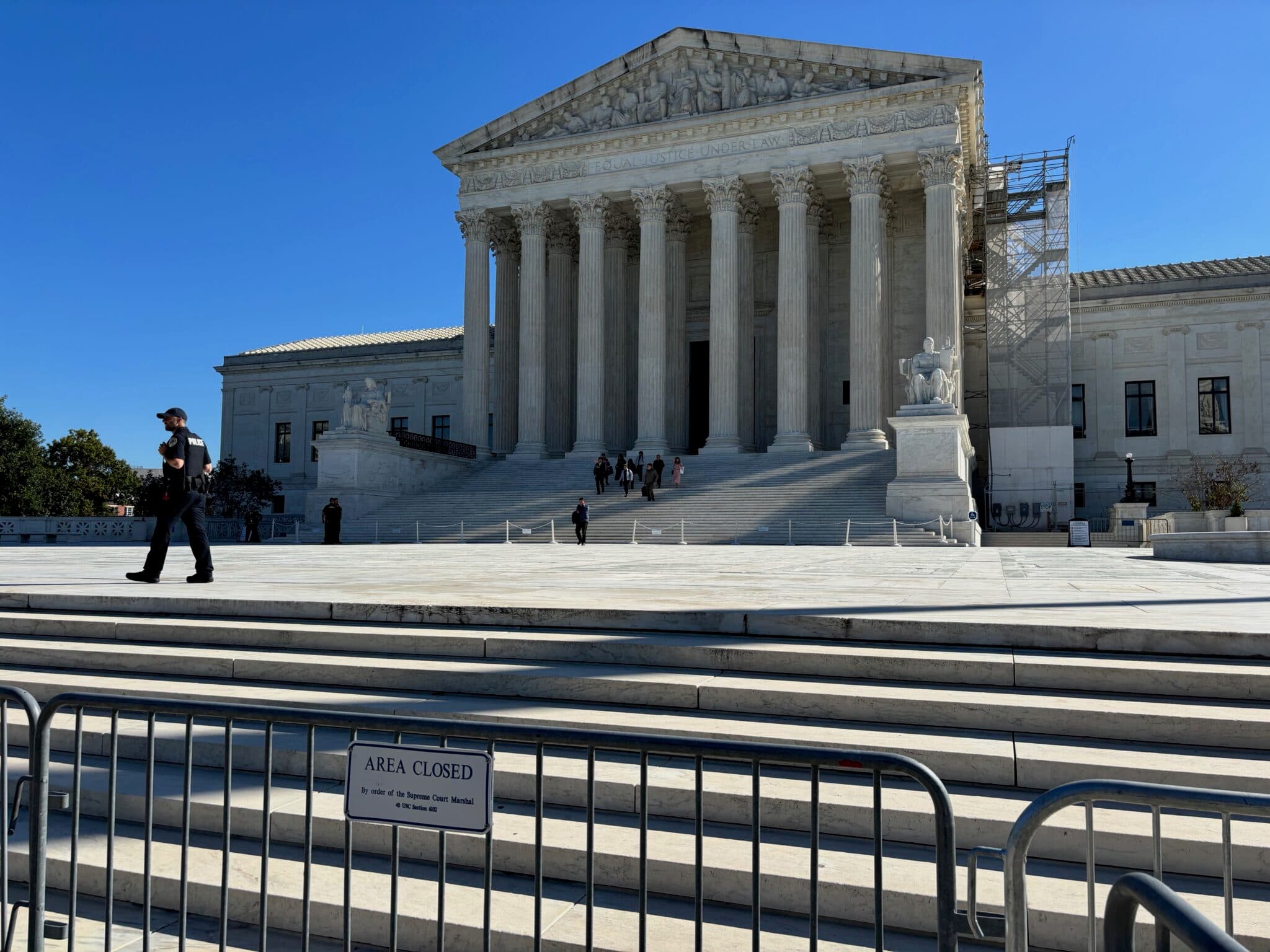
Photo via Georgia Recorder
Georgia's Republican leadership faced a strategic calculus that ultimately favored caution over ambition. According to the Georgia Recorder, GOP lawmakers determined that pursuing redistricting changes would introduce unnecessary political risk heading into the November elections, despite potentially beneficial outcomes years down the line. The decision reflects how state-level political dynamics can ripple through business communities that depend on stable regulatory environments.
The timing mismatch proved decisive in the deliberation. New congressional and legislative maps would not take effect until the 2028 election cycle, meaning Republicans would absorb all the political heat from redistricting efforts without reaping electoral benefits for years. For Dalton-area business leaders and entrepreneurs, this delay signals that Georgia's legislative focus will remain on immediate concerns rather than long-term structural changes that could affect regional representation and influence.
The outcome underscores a broader reality in state governance: short-term political survival often trumps long-term strategic gains. As redistricting efforts periodically return to Georgia's agenda, local business stakeholders should monitor how future map changes might influence state policy priorities and regional economic development initiatives. Political stability in election years typically supports business confidence and planning.