Photo via 11Alive Atlanta
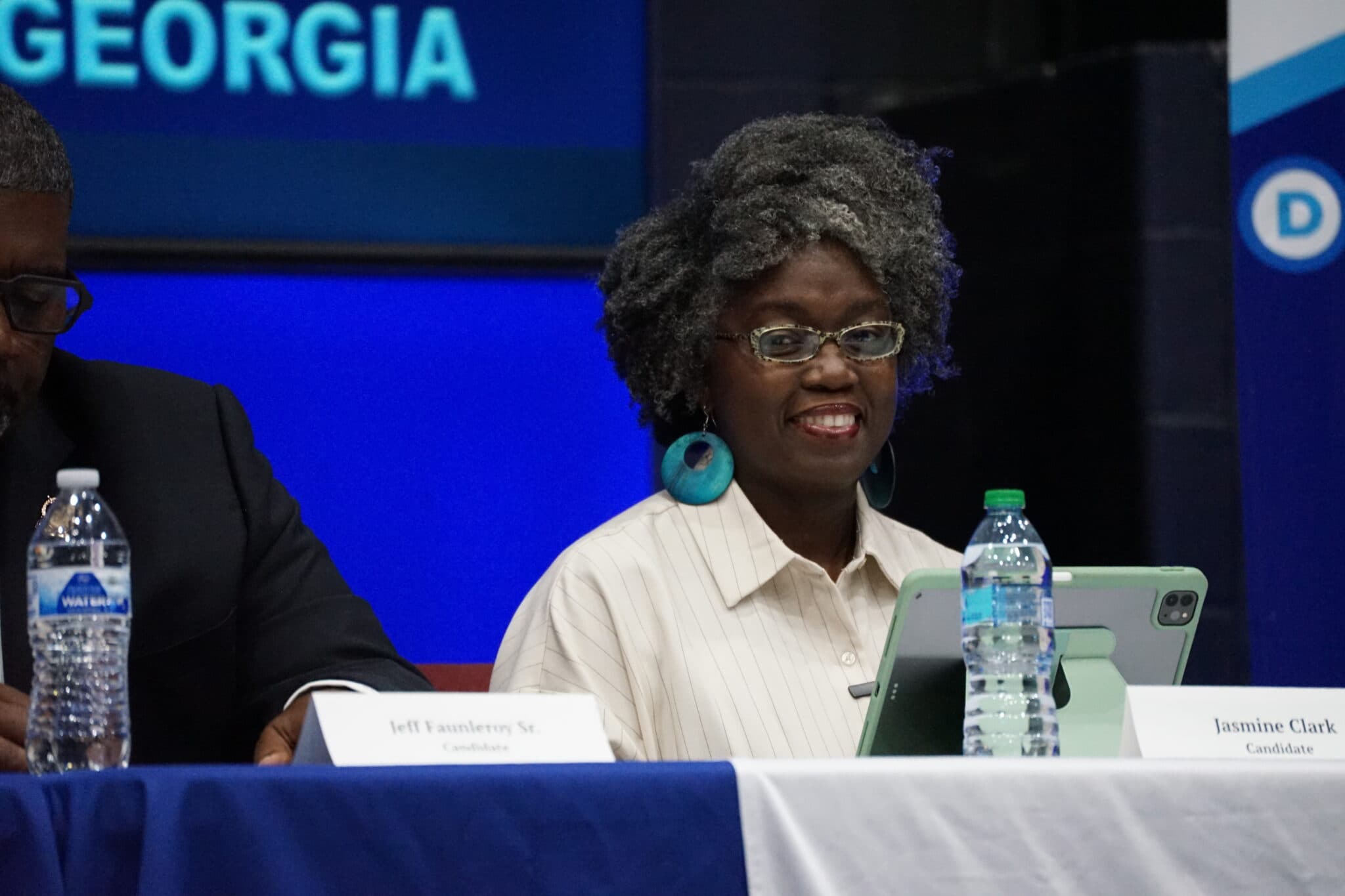
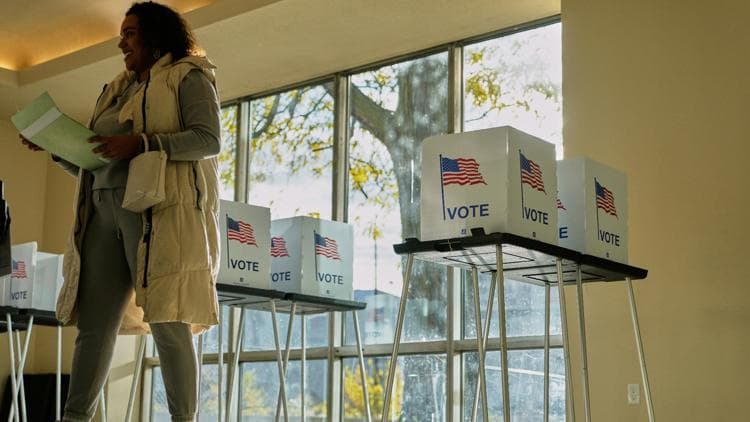
Georgia voters will head back to the polls on June 16 for runoff elections that could reshape the state's political landscape and business environment. According to 11Alive Atlanta, several high-profile Republican primary races failed to produce clear winners in initial voting, triggering competitive runoffs in both gubernatorial and Senate contests. These elections will determine which candidates advance to November's general elections and, ultimately, influence state policies affecting commerce and industry across Georgia.
For Dalton-area businesses, the outcomes of these races carry particular weight. Georgia's political leadership directly shapes tax incentives, workforce development programs, and regulatory frameworks that impact the region's key industries, including carpet manufacturing, logistics, and healthcare. Business leaders across Northwest Georgia should monitor candidates' positions on economic development, infrastructure investment, and business-friendly regulation as they prepare campaign messaging heading into the runoff period.
The runoff format intensifies focus on voter turnout and candidate differentiation. Unlike general elections where voters choose between parties, runoffs force Republican primary voters to make sharper distinctions between ideologically similar candidates. This dynamic often shifts campaign priorities toward issues that resonate with core supporters, including economic policy and job creation—topics of direct interest to Dalton's business community.
As campaigns intensify over the next weeks, Dalton Business Magazine will continue tracking candidate positions on issues affecting local economic development, workforce training, and business regulation. The June 16 runoffs represent a critical juncture for Georgia's business environment, making this an important election cycle for regional entrepreneurs and corporate leaders to engage with the political process.