Photo via Georgia Recorder
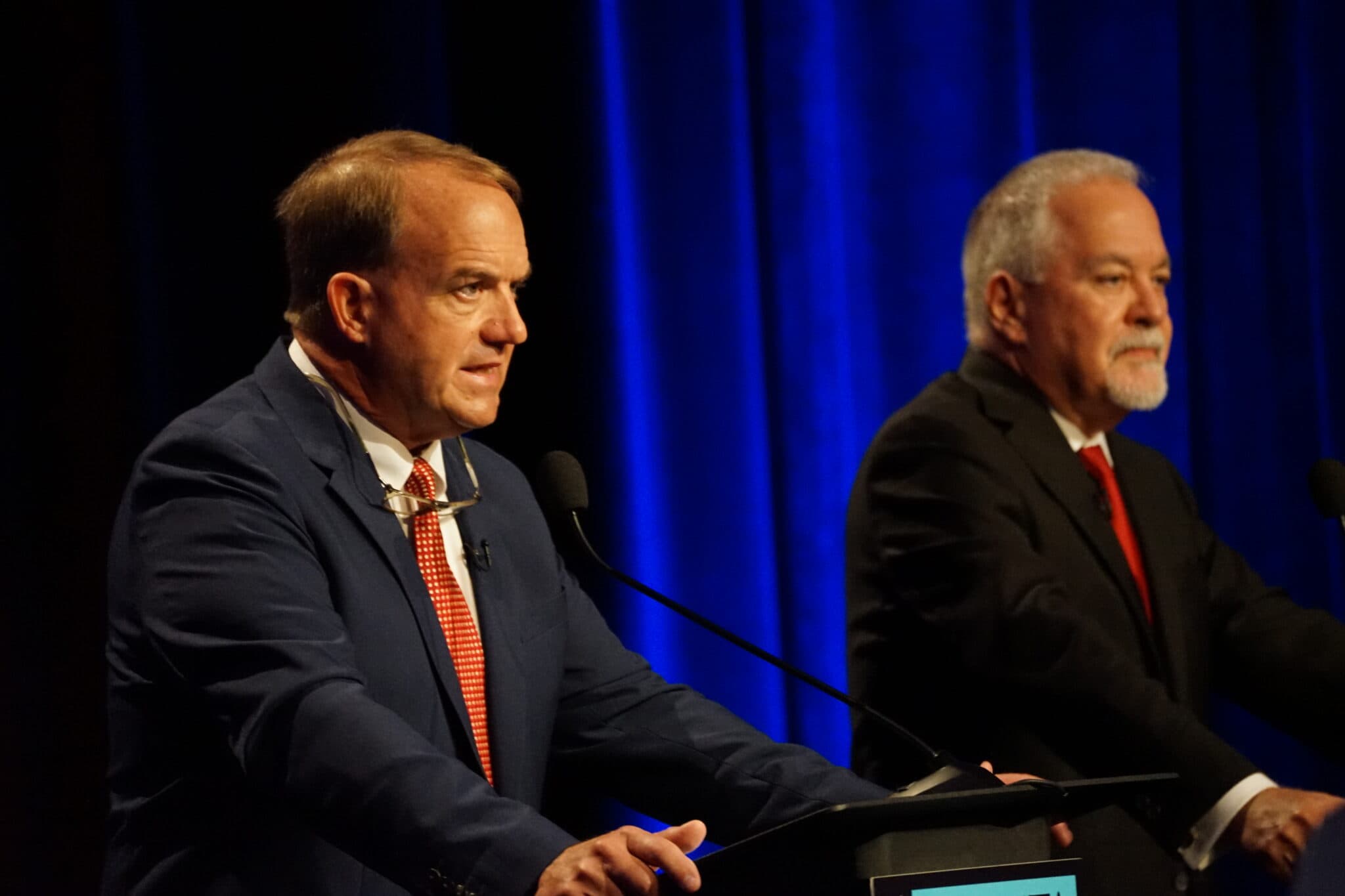
Georgia's race for state superintendent has entered a critical phase, with the Republican runoff scheduled for June 16 determining who will challenge Democratic nominee Lydia Powell in November's general election. According to the Georgia Recorder, both candidates took aggressive stances during Monday's debate, each highlighting perceived shortcomings in their opponent's educational record.
State Superintendent Richard Woods is pursuing his fourth consecutive term, leveraging his current position and experience leading Georgia's K-12 education system. The debate stage provided both candidates an opportunity to differentiate themselves on issues ranging from school funding and curriculum standards to accountability measures that directly affect how Georgia schools—including those in the Dalton area—operate.
For Dalton-area business leaders and workforce stakeholders, the outcome of this superintendent race carries tangible significance. Education policy decisions made by the state superintendent influence the quality and readiness of Georgia's workforce pipeline, directly impacting local employers seeking skilled workers in manufacturing, logistics, and other industries that depend on a well-educated labor pool.
The winner of the June 16 runoff will move forward to face Powell in November's general election, where education funding, school choice policies, and workforce preparation initiatives will likely remain central campaign issues. Business communities across Georgia will be watching closely to see how each candidate's vision for state education aligns with regional economic development priorities.