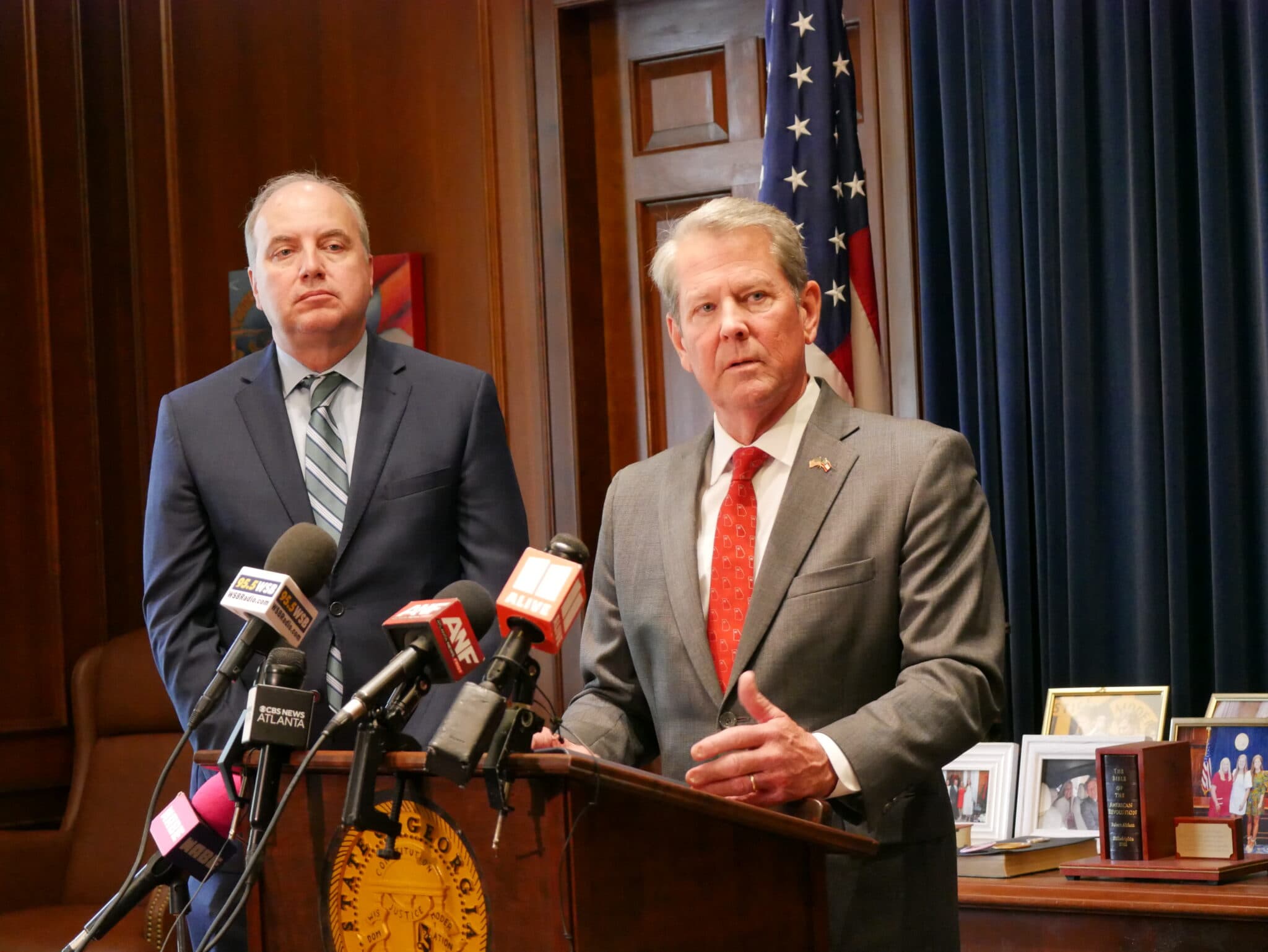
Photo via Georgia Recorder
Georgia faces a significant fiscal challenge after Governor Brian Kemp signed an income tax cut bill into law this week. According to the Georgia Recorder, the legislation will create a $1.3 billion revenue shortfall for the state budget set to take effect in July. The tax rate reduction—bringing the current 5.19% rate down—was anticipated by Kemp's administration but the shortfall appears steeper than originally projected.
The budget gap arrives during Kemp's final year in office, a period typically focused on legacy initiatives and smooth transitions. State officials now must identify spending reductions across departments to balance the budget, a process that could affect education funding, transportation infrastructure, and social services that support communities throughout Northwest Georgia, including the Dalton region.
For local business leaders, the situation warrants attention. While income tax cuts may provide modest relief to individual workers and potentially spur consumer spending—benefiting Dalton's retail and service sectors—the corresponding budget cuts could impact workforce development programs, transportation projects, and other state investments that support regional economic competitiveness.
Dalton-area business communities and economic development officials should monitor how state agencies allocate remaining funds and whether any cuts disproportionately affect Northwest Georgia. Understanding the state's fiscal priorities over the coming months will help local leaders plan strategically for growth and anticipate any shifts in state support for regional initiatives.