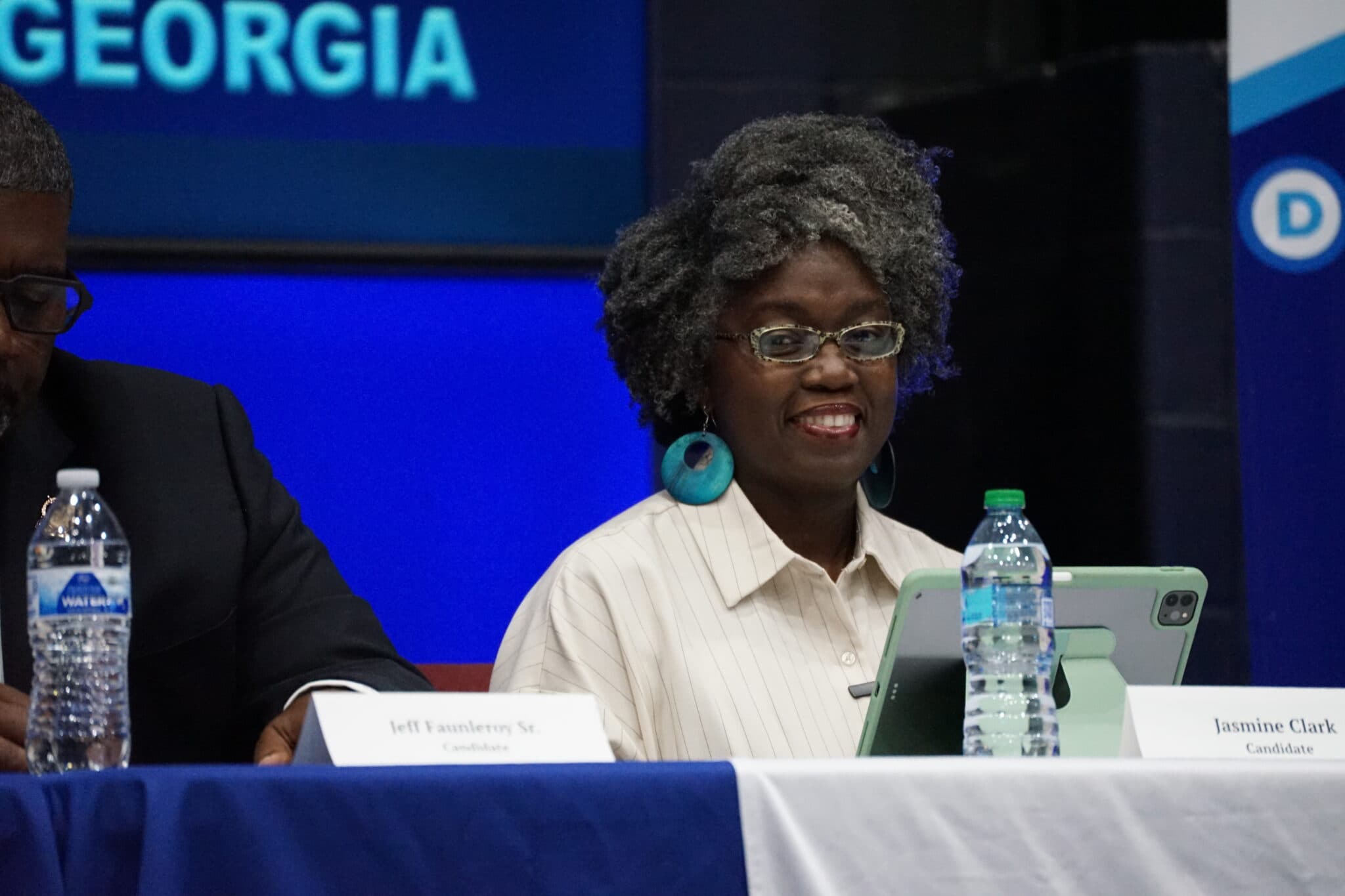
Photo via Georgia Recorder
As Georgia's political season heats up ahead of primary elections, a significant disparity has emerged in the state's legislative landscape. According to reporting from the Georgia Recorder, only 19 of Georgia's 236 state lawmakers are mothers with children under 18—a striking underrepresentation that raises important questions about accessibility to political office. For Dalton-area business leaders and community members considering public service, this statistic underscores a broader challenge facing working parents nationwide.
Georgia's election laws already permit candidates to use campaign funds for childcare expenses, a provision designed to lower barriers for parents seeking elected office. Despite this allowance, few candidates appear to be taking advantage of the option. This gap between policy and practice suggests that awareness may be limited, or that other cultural and financial obstacles still discourage parents—particularly mothers—from entering the political arena. For a growing region like Dalton, where workforce participation and economic development depend on talent from all demographics, this missed opportunity warrants attention.
The absence of working parents in elected office carries real implications for business policy and economic development decisions. Candidates with firsthand experience balancing family responsibilities and professional ambitions often bring different perspectives to issues affecting workforce development, affordable childcare, and family-friendly workplace policies—all critical concerns for Dalton's business community. When a significant portion of the candidate pool effectively opts out due to family constraints, policymaking talent is lost.
For Dalton entrepreneurs, business leaders, and professionals considering political engagement at the local or state level, the takeaway is clear: understanding available support mechanisms and advocating for their wider use could help expand the talent pool in public service. Whether through campaign finance reforms, workplace flexibility standards, or simply greater awareness of existing childcare funding options, removing barriers to political participation strengthens both democratic representation and business-community leadership in the region.