Photo via Georgia Recorder
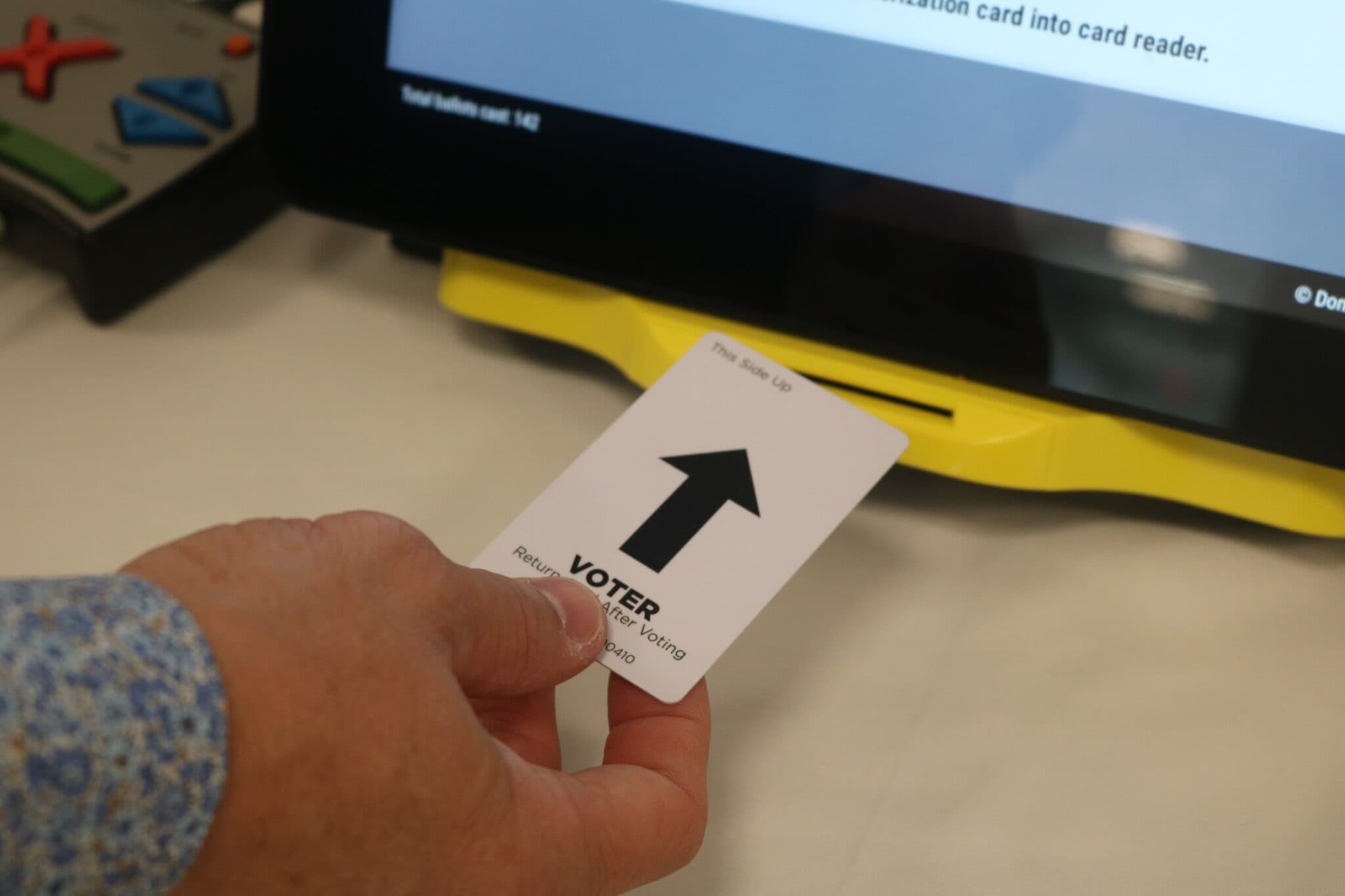
Georgia's legislature convenes this week for a special session where election system reforms have emerged as a critical priority alongside redistricting debates. According to the Georgia Recorder, the state's current ballot-counting technology relies on QR codes but has drawn scrutiny from various stakeholders concerned about its reliability and security. For Dalton-area business leaders and organizations with significant voter participation among employees, understanding these changes matters as Georgia works to modernize its electoral infrastructure.
The July 1 deadline represents a hard stop for legislative action, forcing lawmakers to reach consensus on equipment upgrades and procedural changes before the date passes. This timeline creates urgency in Atlanta that reverberates throughout Georgia's business community, particularly among companies in the technology and logistics sectors that interface with state operations. Dalton businesses accustomed to stable regulatory environments should monitor how these decisions could affect government contracting, supply chains, and operational planning.
Election system changes at the state level typically have downstream effects on local administration, workforce management during election periods, and public trust in institutions. For Dalton's business community, the resolution of Georgia's election system questions will provide clarity on state priorities and technological direction. Companies operating statewide can begin adjusting their compliance and operational strategies once lawmakers finalize their approach.