Photo via Georgia Recorder
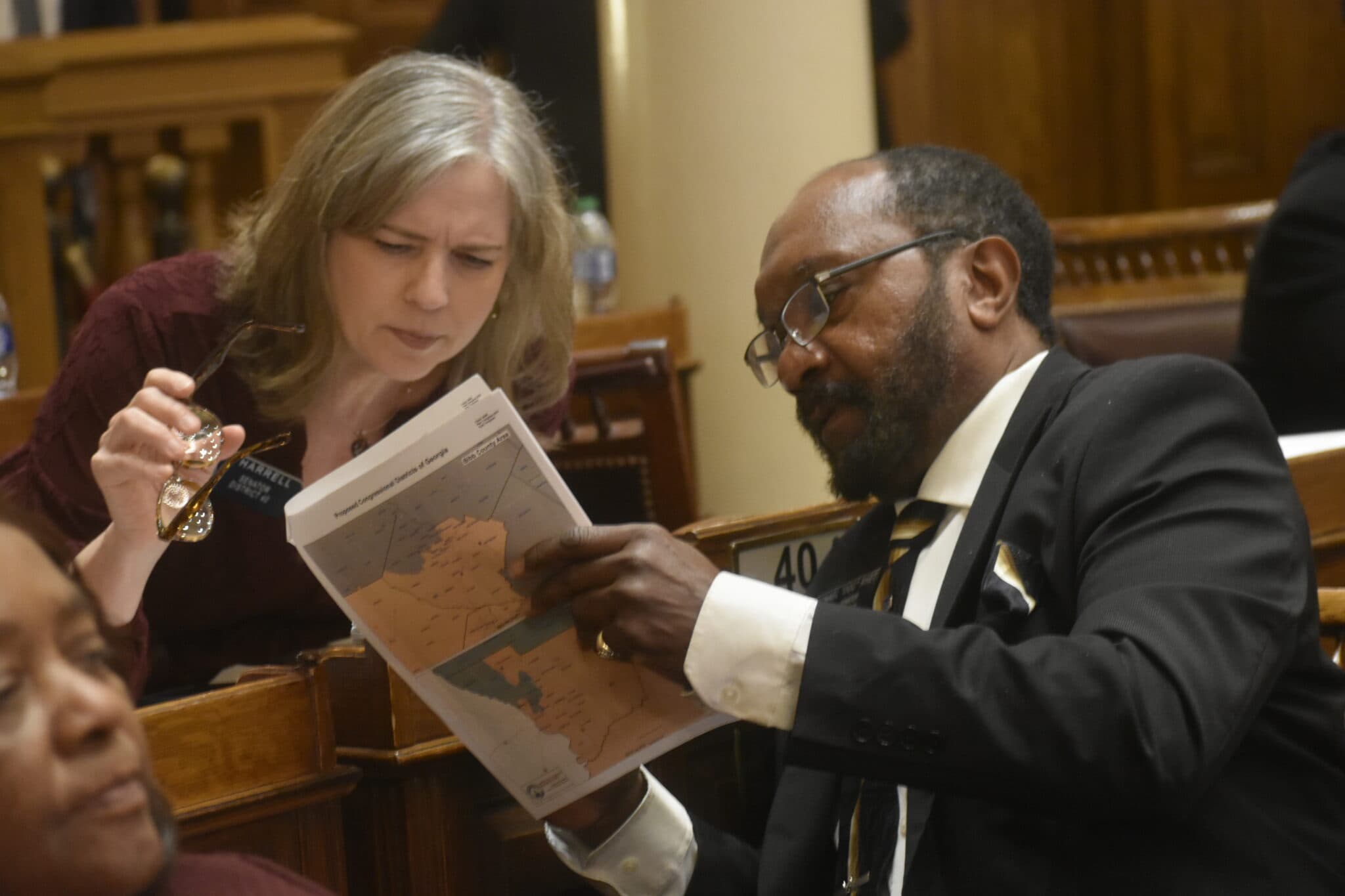
Georgia's legislature is preparing for an unusual third redistricting cycle in less than four years, a development that political observers say could have lasting consequences for state governance and regional representation. According to the Georgia Recorder, this special legislative session arrives immediately following the state's runoff elections, accelerating the timeline for redrawing political boundaries that typically occur once per decade. For Dalton-area business leaders, these political shifts warrant attention, as they may influence tax policy, regulatory approaches, and legislative priorities affecting Northwest Georgia.
The rapid succession of redistricting efforts—occurring in 2020, 2022, and now again in 2024—reflects ongoing disputes over electoral maps and competing visions for representation. Black lawmakers have expressed concern about potential losses in legislative seats, raising questions about how diverse communities will be represented in future policy decisions. Business communities should monitor these developments, as shifting political composition can affect everything from workforce policies to infrastructure investment priorities in our region.
For Dalton's business community, the outcome of this redistricting process carries practical implications. Changes to legislative representation could influence how Northwest Georgia's economic interests—from carpet manufacturing to logistics—are prioritized in state-level discussions. Business leaders are encouraged to track how their representatives engage in this process and consider how map changes might affect advocacy for regional priorities.