Photo via Georgia Recorder
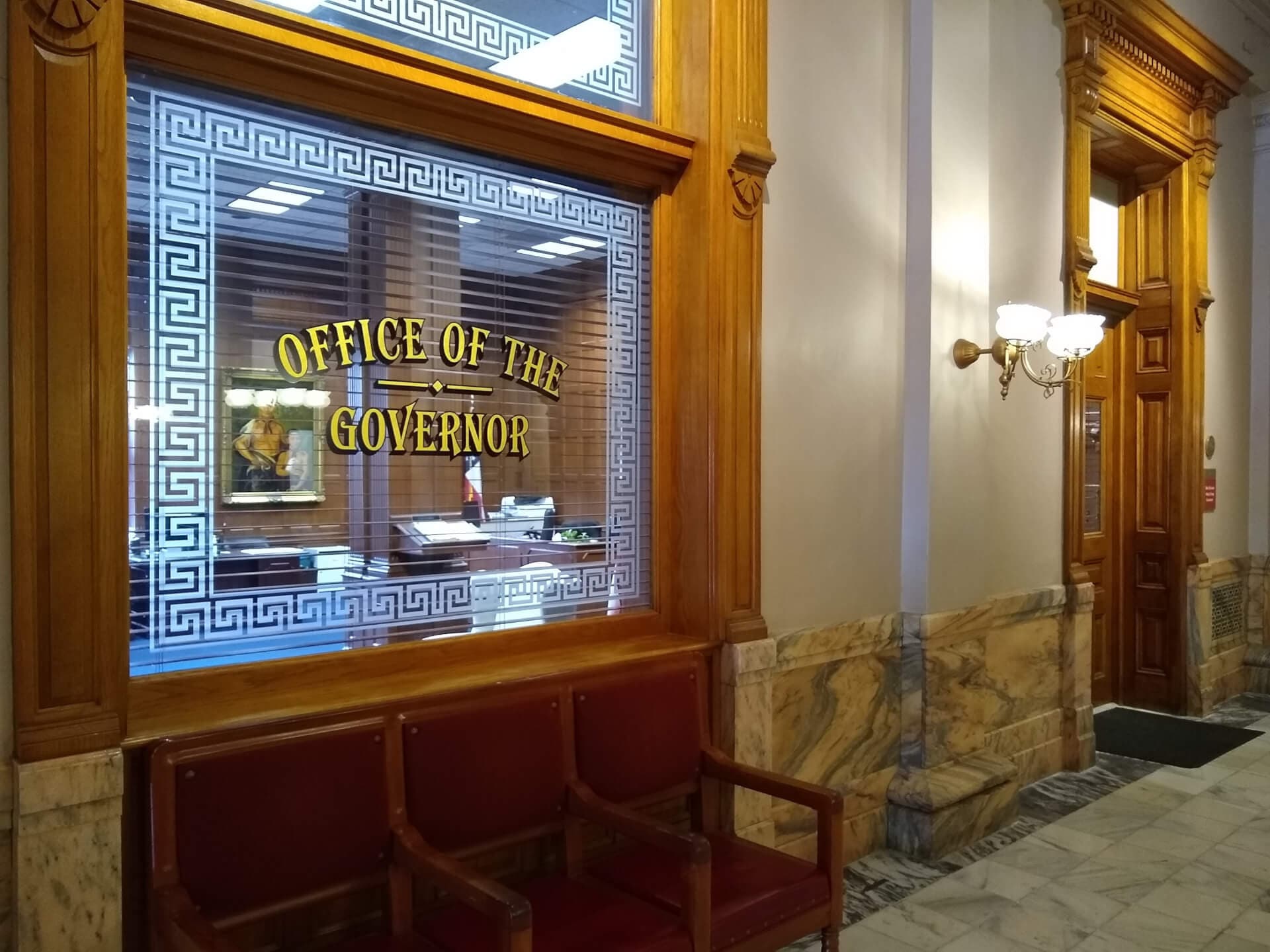
The direction of Georgia's governorship carries significant implications for Dalton-area businesses and the broader state economy. According to the Georgia Recorder, if Georgia voters elect a Democratic governor, that leader would likely face a Republican-controlled legislature, a dynamic that could substantially influence regulatory decisions, tax policy, and economic development initiatives that affect local employers.
The Republican primary landscape itself signals shifts in state leadership philosophy. The top GOP candidates are positioning themselves around a different political model than previous governors like Brian Kemp and Nathan Deal, according to reporting on the race. This ideological realignment could affect how business-friendly policies are crafted and implemented in Georgia, with potential ripple effects for manufacturers, logistics hubs, and service providers across the Dalton region.
A divided government—where the governor's office and legislature belong to different parties—typically requires compromise on economic policy. Dalton businesses that depend on state infrastructure investment, workforce development programs, or industry-specific incentives should monitor how power-sharing arrangements might affect funding priorities and regulatory enforcement in the coming years.
Local business leaders should pay attention to the gubernatorial race and its potential outcomes. Regardless of party affiliation, the next governor will need to navigate relationships with a Republican legislature, meaning business-friendly consensus issues may move forward while partisan initiatives face hurdles. Understanding these dynamics early can help Dalton companies anticipate policy changes and adjust their advocacy strategies accordingly.