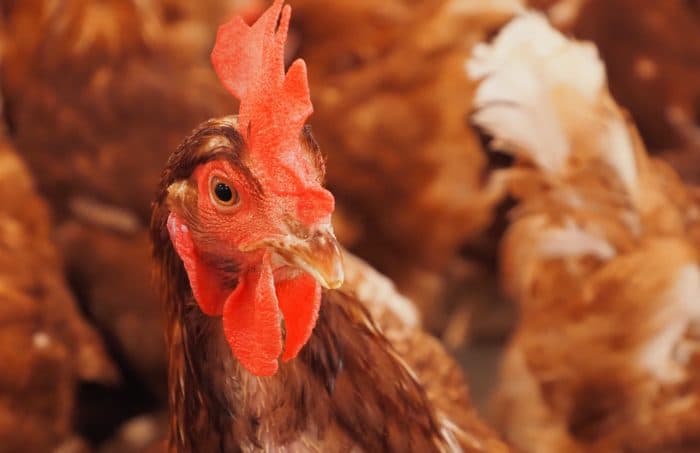
Photo via Georgia Recorder
Georgia's agribusiness sector—the state's leading industry—depends on robust disease surveillance and rapid outbreak response capabilities that only a well-funded public health system can provide. According to reporting from the Georgia Recorder, Governor Brian Kemp's recently signed state budget allocates less than one-tenth of available health agency dollars to the Department of Public Health, raising concerns among industry observers about the adequacy of these critical functions.
For Dalton-area agricultural operations and food processing businesses, this funding disparity carries direct implications. Foodborne illness outbreaks, animal disease events, and environmental health threats require swift detection and containment to prevent costly disruptions to supply chains and market access. Underfunded public health infrastructure delays response times and reduces the state's capacity to monitor emerging threats that could damage Georgia's competitive position in national and international markets.
The funding structure reflects a significant gap between what agribusiness stakeholders say is necessary for comprehensive disease tracking and what the state budget currently supports. Local health departments across Georgia—including those serving northwest Georgia's agricultural communities—often bear the burden of filling gaps with limited local resources, potentially compromising their ability to serve both agricultural and general public health needs.
As Georgia's agribusiness community continues navigating post-pandemic supply chain challenges and market pressures, industry leaders may need to advocate for adequate public health investment at both state and local levels. Strong disease surveillance, outbreak investigation capacity, and environmental health monitoring represent essential infrastructure that protects the economic health of farms, food processors, and related businesses throughout the Dalton region.