Photo via Inc.
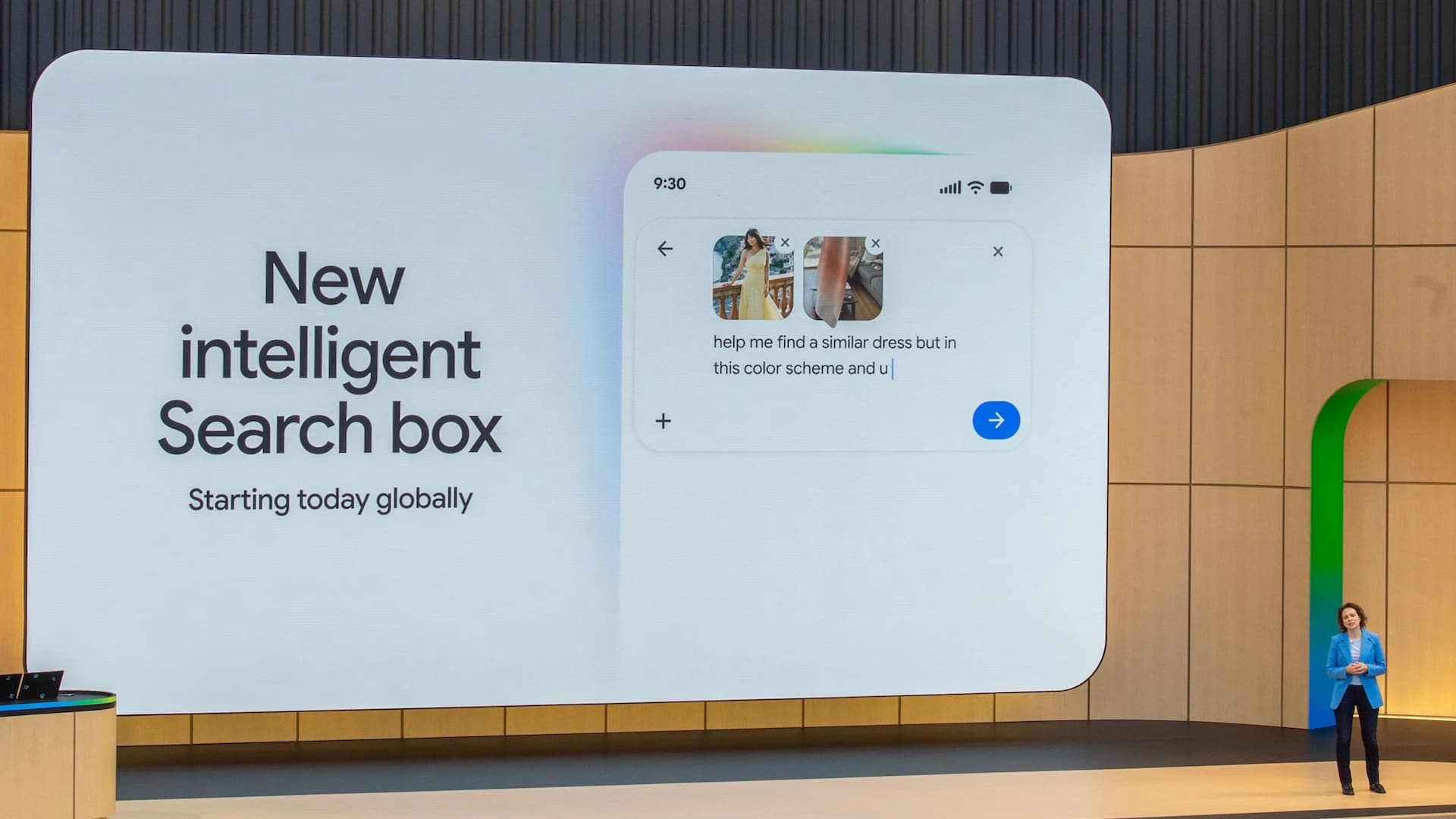
At its recent I/O conference, Google showcased artificial intelligence capabilities within its search platform that appear to treat internet content as freely available material for AI training and summarization. According to reporting from Inc., these tools generate answers directly within search results without necessarily directing users to original sources, raising concerns about how digital content is valued and compensated in an AI-driven search environment.
For Dalton-area businesses that depend on organic search traffic to drive customers to their websites—from carpet manufacturers to logistics companies—this shift represents a significant change in how search visibility translates to business opportunity. When AI abstracts content into summaries rather than funneling users to source websites, the traditional relationship between search ranking and web traffic may be disrupted.
Content creators and publishers argue that Google's approach treats the internet's collective knowledge as raw material for AI systems without clear permission or compensation frameworks. This tension highlights a broader question about how artificial intelligence companies should interact with and credit the human-generated content that trains their systems. The precedent being set now could affect how all businesses, including those in Northwest Georgia, approach digital strategy going forward.
For local business leaders evaluating their digital marketing investments, these developments underscore the importance of diversifying beyond search-dependent strategies. Direct customer relationships, email marketing, and owned platforms may become increasingly valuable as search dynamics continue to evolve in the age of generative AI.