Photo via Georgia Recorder
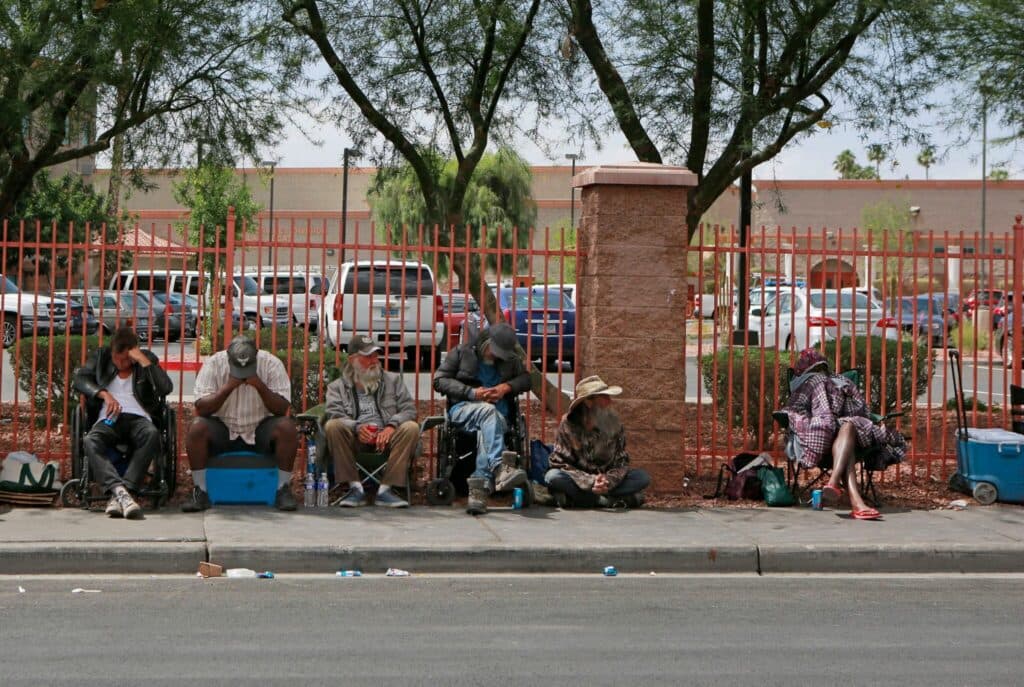
Two years after the Supreme Court's Grants Pass v. Johnson decision, a significant shift in how American cities address homelessness has taken shape. According to the Georgia Recorder, more than 350 cities across 14 states have now adopted stricter laws or ordinances targeting street camping and outdoor homelessness. The landmark 2022 ruling cleared a major legal hurdle by allowing municipalities to enforce public camping bans without violating constitutional protections against cruel and unusual punishment.
For Dalton business leaders and city planners, these national trends carry local relevance. As downtown revitalization efforts continue and the region sees economic growth, municipalities face mounting pressure to maintain clean, safe public spaces that support retail, hospitality, and commercial activity. The proliferation of these laws across the country suggests a broader consensus among city governments that balancing compassion for unhoused populations with business-friendly environments requires clearer regulations and enforcement mechanisms.
Georgia communities, including those in the Dalton area, should monitor how neighboring states and cities structure their homelessness ordinances—and consider what approaches align with both constitutional standards and local economic development goals. Real estate professionals, retailers, and property owners invested in Dalton's future may benefit from understanding how peer cities are navigating this complex policy landscape while addressing root causes of homelessness.