Photo via Fortune
According to Fortune, commercial vessels navigating one of the world's most critical shipping chokepoints are increasingly disabling their tracking systems to avoid detection by Iranian naval forces. The Strait of Hormuz, through which roughly one-fifth of global oil passes annually, has become a flashpoint as ships attempt to transit without broadcasting their locations via Automatic Identification Systems (AIS).
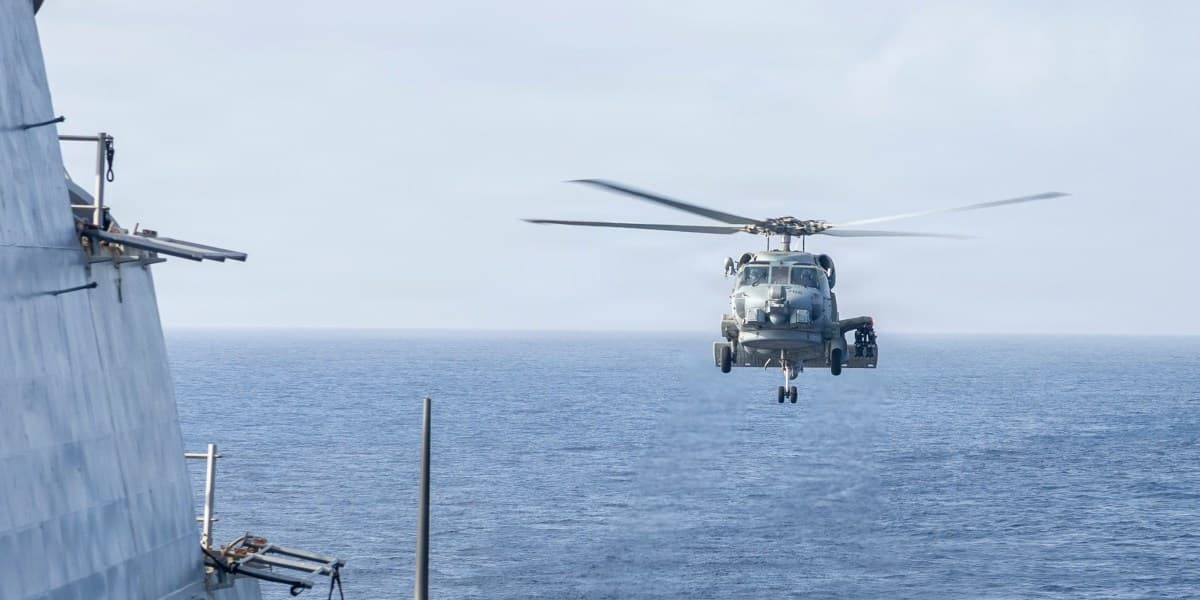
The escalating cat-and-mouse dynamic involves Iranian fast-attack boats conducting intercepts, while allied naval helicopters provide protective cover to shipping traffic. This volatile situation creates unpredictability for international logistics operations and raises concerns about supply chain continuity for companies that depend on maritime routes for imported goods and materials.
For Dalton-area businesses—particularly those in carpet manufacturing, automotive suppliers, and other industries reliant on just-in-time inventory and global sourcing—disruptions to Middle Eastern shipping lanes translate directly to potential delays and increased transportation costs. Companies may face pressure to diversify supply sources or build additional buffer inventory to mitigate Hormuz-related risks.
Industry observers note that the practice of disabling AIS tracking, while operationally defensive, complicates maritime safety and creates opacity in global shipping data. Companies monitoring supply chain vulnerabilities should consider scenario planning for extended transit delays and explore alternative routing options, particularly for time-sensitive shipments.