Photo via FreightWaves
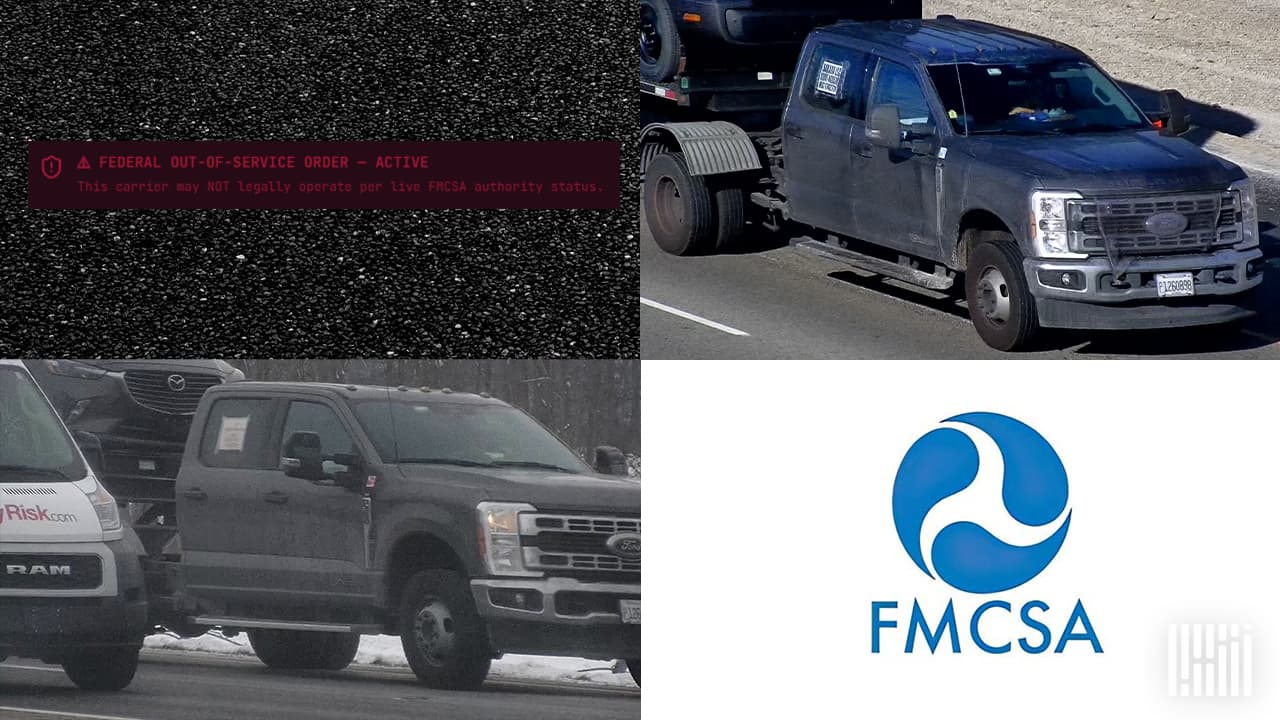
The trucking industry is experiencing a significant shift as regulatory oversight intensifies. According to FreightWaves, operators facing stricter enforcement in traditional long-haul trucking are increasingly turning to alternative segments like hotshot and auto transport services. Rather than exiting the business, these marginal operators are relocating their fleets to areas with looser regulatory requirements.
Hotshot trucking—which typically involves smaller rigs and expedited freight delivery—has become an attractive alternative for operators seeking to reduce operational costs. These smaller vehicles require fewer inspections and often qualify for lower insurance premiums compared to their full-size counterparts. For Dalton-area logistics companies, understanding this market shift is critical, as the region's strong transportation hub status means increased exposure to these emerging business models.
The migration toward less-regulated segments raises concerns about fleet quality and safety standards across the industry. When marginal operators move into hotshot and auto transport niches, the resulting competitive pressure can create a 'race to the bottom' where compliance and maintenance standards deteriorate. This dynamic affects not only the operators themselves but also legitimate companies trying to maintain professional standards in the Dalton logistics market.
Local business leaders and fleet operators should monitor these trends closely. As enforcement patterns shift, companies that prioritize compliance and safety may gain competitive advantages through better insurance rates, customer trust, and regulatory standing. For Dalton's logistics sector—a cornerstone of the regional economy—understanding these industry movements helps operators position themselves as reliable, legitimate partners in an increasingly scrutinized market.