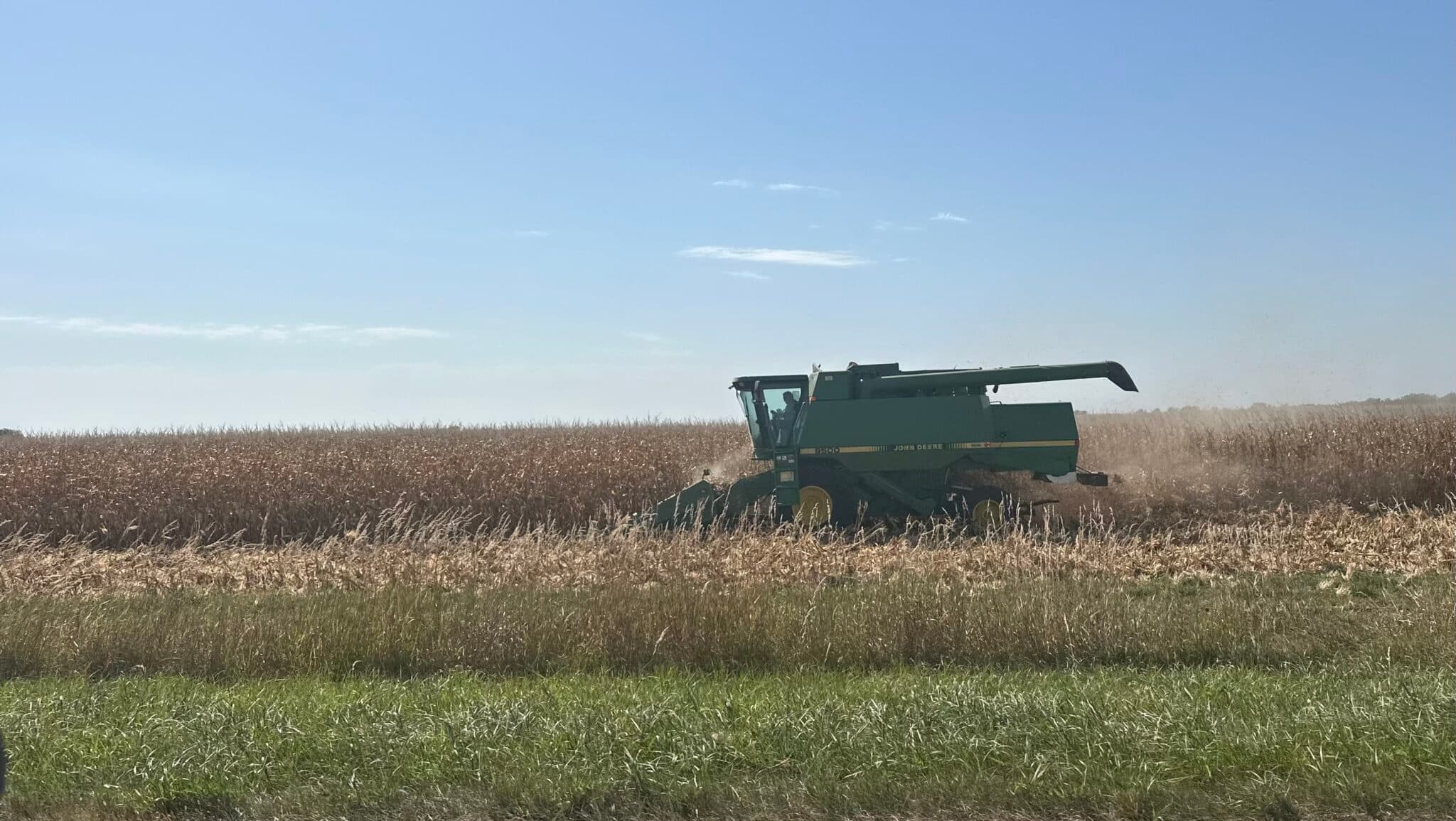
Photo via Georgia Recorder
The U.S. House of Representatives voted 224-200 to advance a comprehensive five-year farm bill Thursday, marking the first major agricultural policy overhaul in three years. According to the Georgia Recorder, the legislation authorizes subsidy and nutrition assistance programs extending through fiscal 2031. For Georgia's farming communities, including those in the Dalton region, this update establishes the federal framework governing commodity supports, crop insurance, and rural development initiatives for the next half-decade.
The bill maintains significant reductions to food assistance programs—a point of contention among Democrats and hunger-advocacy groups. According to the Congressional Budget Office's analysis of an earlier version, the measure would not meaningfully impact discretionary federal spending overall, though specific nutrition programs face notable cuts. For rural Georgia counties with higher food insecurity rates, these provisions could affect the availability and accessibility of assistance programs that many communities depend on.
Georgia's agricultural economy—which generated over $112 billion in economic impact in 2022—will feel ripple effects from this legislation's subsidy allocations and crop insurance provisions. Dalton-area businesses tied to agriculture, from equipment suppliers to grain handlers, may see shifts in farmer spending patterns and risk management strategies as new federal programs take shape. The five-year timeline provides agricultural operators with policy certainty as they plan investments and operational decisions.
The bill now moves to the Senate, where negotiations are expected to continue. Georgia's congressional delegation will play a key role in these discussions, particularly regarding commodities important to the state—including peanuts, cotton, and specialty crops. Dalton-area agribusiness professionals should monitor the Senate's progress and any amendments that could affect subsidy structures or rural development funding affecting Northwest Georgia.