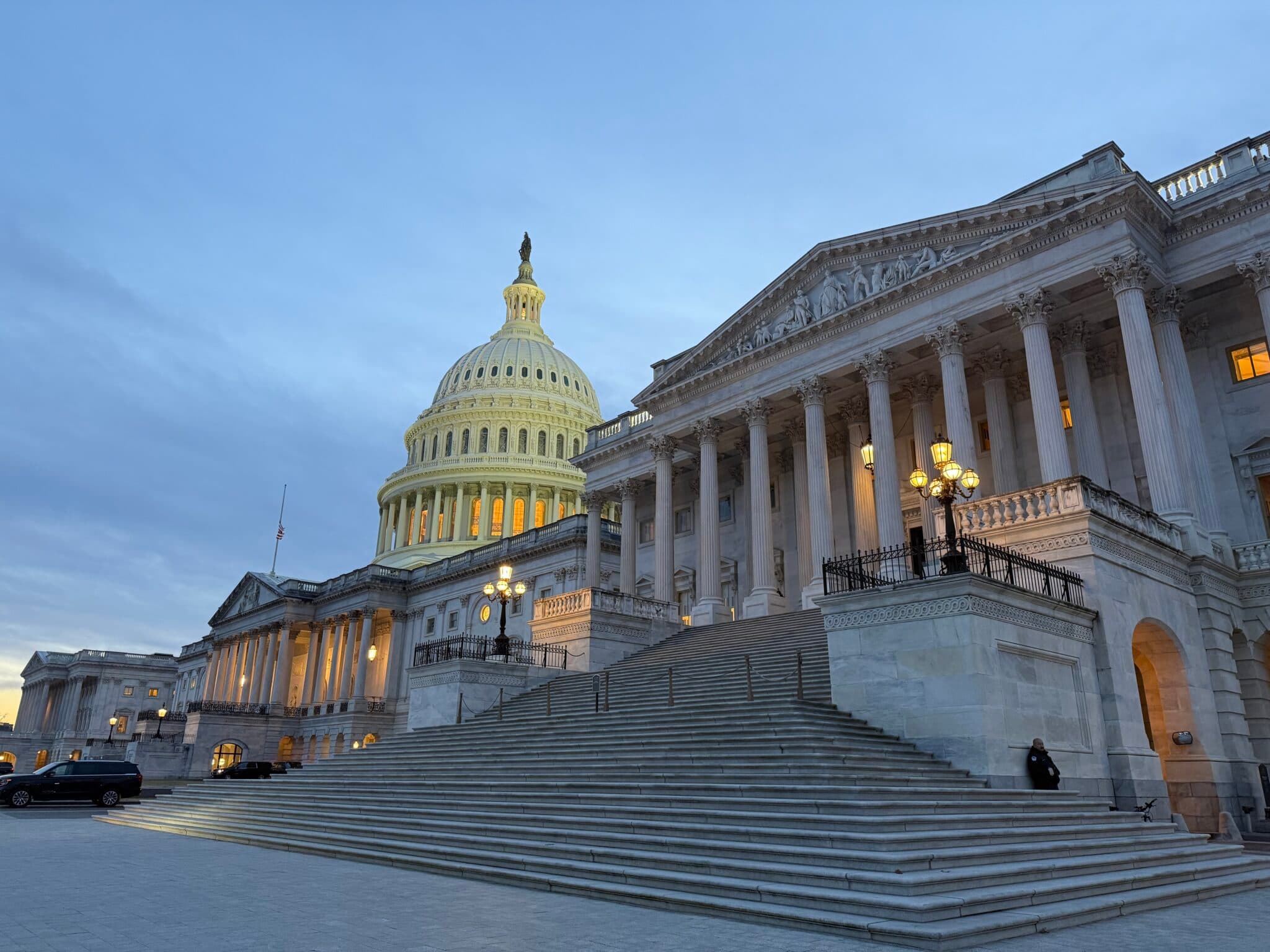
Photo via Georgia Recorder
The U.S. House of Representatives voted Wednesday along party lines to advance a budget resolution that will enable significant new spending on immigration enforcement operations. According to the Georgia Recorder, the 215-211 vote unlocks a procedural tool called budget reconciliation, which allows Republicans to move forward with legislation allocating tens of billions of dollars toward deportation efforts in coming weeks.
The budget resolution represents a critical step in the Trump administration's immigration agenda. By adopting this framework, House Republicans have cleared a legislative hurdle that would have otherwise required 60 Senate votes to pass related appropriations bills. This procedural move signals the party's commitment to prioritizing enforcement funding as a major budgetary focus.
For Dalton-area businesses, particularly those in carpet manufacturing, logistics, and food processing industries that rely on workforce stability, the potential influx of enforcement activity warrants attention. Companies with mixed-status workforces may face operational disruptions, while others could experience labor market shifts. Local business leaders should monitor implementation timelines and regulatory guidance as details emerge.
The coming weeks will determine how quickly Congress moves to finalize appropriations legislation and what the actual funding levels will be. Dalton's business community should stay informed about workforce implications and engage with industry associations tracking policy developments affecting regional employment patterns and supply chain operations.