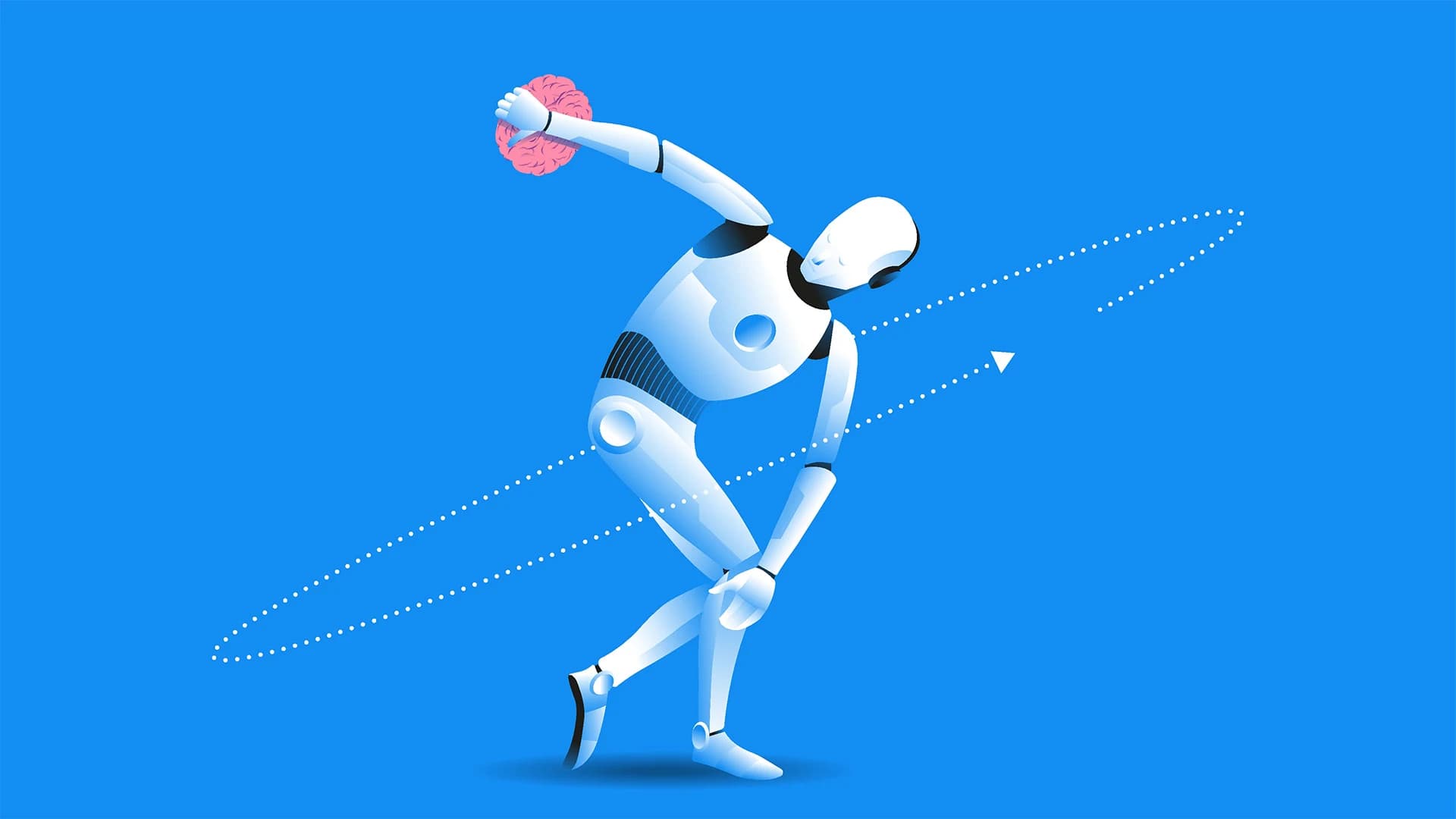
A concept long debated in academic philosophy is taking on new significance in Silicon Valley boardrooms. According to reporting from the New York Times Business section, artificial intelligence executives have begun adopting language that reduces human cognition to mechanistic processes—a framing that raises important questions about how AI development shapes workplace culture and attitudes toward the workforce.
The terminology reflects a broader philosophical perspective gaining momentum among technologists: that human brains operate fundamentally like biological computers, lacking the unique consciousness or value often attributed to them. This worldview matters because the leaders driving AI innovation—companies that increasingly influence business operations across industries—hold these assumptions as they make decisions about automation, employment, and workforce strategy.
For Dalton-area businesses watching AI adoption accelerate, understanding executive mindsets is crucial. When decision-makers view workers primarily through a mechanistic lens, it can influence choices about automation investment, training programs, and employee development. This perspective may accelerate the replacement of human workers rather than exploring how AI and human talent can complement each other in our regional economy.
As manufacturing and logistics remain central to Dalton's business identity, leaders should consider what philosophy underpins the AI tools they're adopting. Companies that view their workforce as valuable collaborators—rather than mere biological machines—may find greater long-term success in retaining skilled workers and maintaining competitive advantage in an increasingly automated marketplace.