Photo via Fast Company
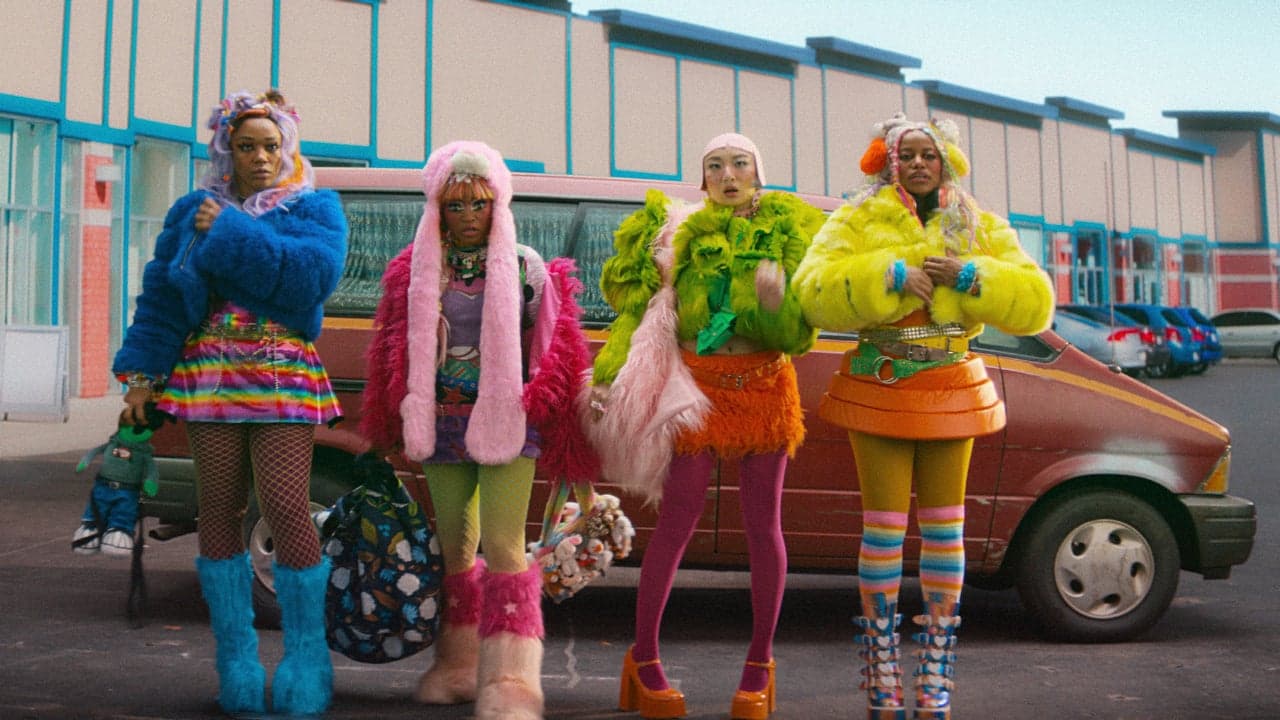
In an era when many major film and retail productions rely on muted color palettes, a contrarian approach is gaining attention. Costume designer Shirley Kurata's work on the film 'I Love Boosters' demonstrates how strategic use of color and design creates distinct brand worlds—a principle with direct applications for Dalton-area retailers looking to stand out. According to Fast Company, Kurata collaborated closely with production designers to ensure every visual element, from paint chips to clothing, reinforced a cohesive aesthetic across different store environments.
The film's narrative centers on department stores where each location operates under a single-color monochrome scheme, creating instantly recognizable brand identities. For retailers in competitive markets, this illustrates a valuable lesson: visual consistency and boldness can communicate brand values faster than advertising alone. Kurata's meticulous approach—matching fabrics to actual paint samples and coordinating across multiple design disciplines—mirrors the attention to detail that successful local retailers must maintain to build customer loyalty and brand recognition.
Beyond aesthetics, Kurata ensured her work aligned with the film's ethical messaging about fashion industry labor practices and sustainability. She partnered with Savannah College of Art and Design students to feature emerging designer work, demonstrating how entertainment production can support community creative talent. This model offers lessons for Dalton businesses considering how their operations and partnerships can add social value while building brand reputation.
The broader industry conversation about visual design quality has implications for retail environments everywhere. As consumers grow fatigued with bland, desaturated visual experiences across media and commerce, retailers who invest in distinctive, memorable design strategies may find competitive advantages. Whether in product presentation, store environments, or marketing materials, the principle remains consistent: thoughtful design choices communicate professionalism and brand integrity to customers evaluating where to spend their money.