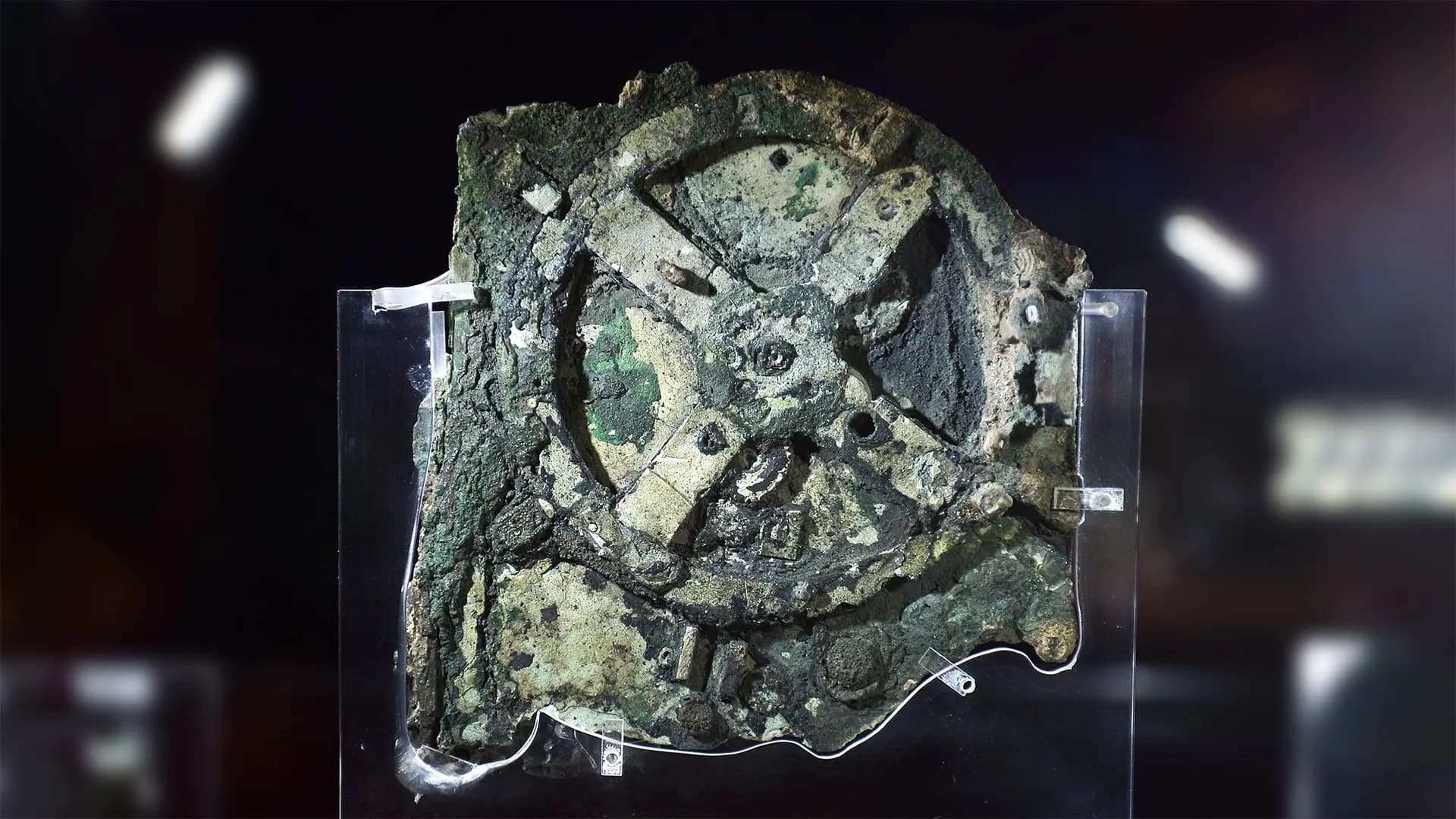
Photo via Inc.
The intersection of digital content creation and scientific discovery has produced unexpected results in recent months, as reported by Inc. When a popular YouTuber conducted an experiment related to the Antikythera Mechanism—an ancient Greek artifact often called the world's oldest computer—the work caught the attention of the academic community and prompted a fresh examination of this enigmatic device.
The Antikythera Mechanism, discovered in a shipwreck off the Greek coast, has puzzled researchers for over a century. The intricate system of bronze gears and mechanisms dates back to around 100 BCE, predating other known computing devices by centuries. Despite decades of study, scientists had not fully understood its complete function and design.
According to Inc., the YouTuber's experimental approach and detailed documentation provided researchers with new perspectives and methodologies that traditional academic channels might not have generated. This collaboration between independent creators and institutional researchers demonstrates how knowledge-sharing platforms have democratized scientific inquiry, allowing innovative thinkers outside traditional academic structures to contribute meaningfully to major discoveries.
For Dalton-area business leaders and innovators, this story underscores an important lesson: breakthroughs often emerge from unexpected partnerships and unconventional approaches. Whether in manufacturing, logistics, or other regional industries, embracing collaboration across different sectors and expertise levels—much like scientists embraced the YouTuber's contribution—can unlock solutions to longstanding challenges and drive competitive advantage.