Photo via Inc.
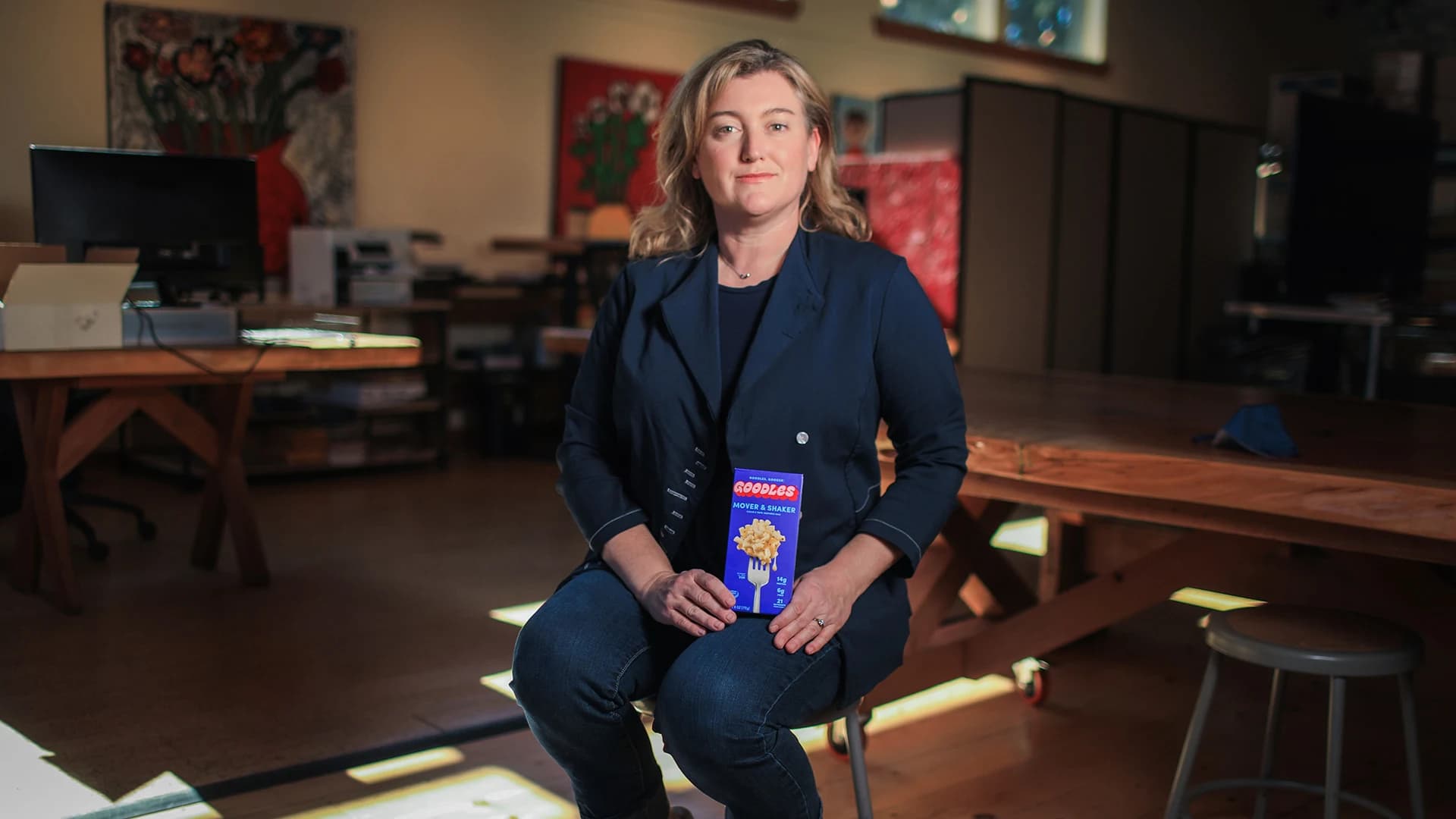
A premium mac and cheese company called Goodles has become a case study in defying conventional venture capital wisdom. According to Inc., more than 100 investors passed on the opportunity before the company gained traction, yet today the brand commands shelf space and consumer loyalty without relying on massive advertising expenditures. The story underscores a broader shift in how consumer products succeed in today's market.
For Dalton-area entrepreneurs, the Goodles model offers valuable takeaways about building sustainable brands in competitive categories. Rather than seeking massive funding rounds to support traditional marketing, the company relied on product quality, authentic storytelling, and grassroots customer acquisition—strategies that play well in the current economic climate where consumer skepticism toward big-budget campaigns runs high.
The early investor rejections highlight a common disconnect between venture capital decision-making and actual market demand. Goodles' eventual success suggests that founders should validate customer enthusiasm before chasing large institutional backing. This approach particularly resonates in Northwest Georgia, where family-owned and bootstrap-funded businesses have historically thrived by understanding their local markets deeply before scaling regionally.
As Dalton's food and manufacturing sectors increasingly develop consumer-facing brands, the Goodles story offers proof that resourcefulness and customer-centric innovation can outweigh financial firepower. Entrepreneurs in the region looking to build the next regional success story may find that authentic positioning and lean operations provide a more sustainable path than traditional venture scaling.