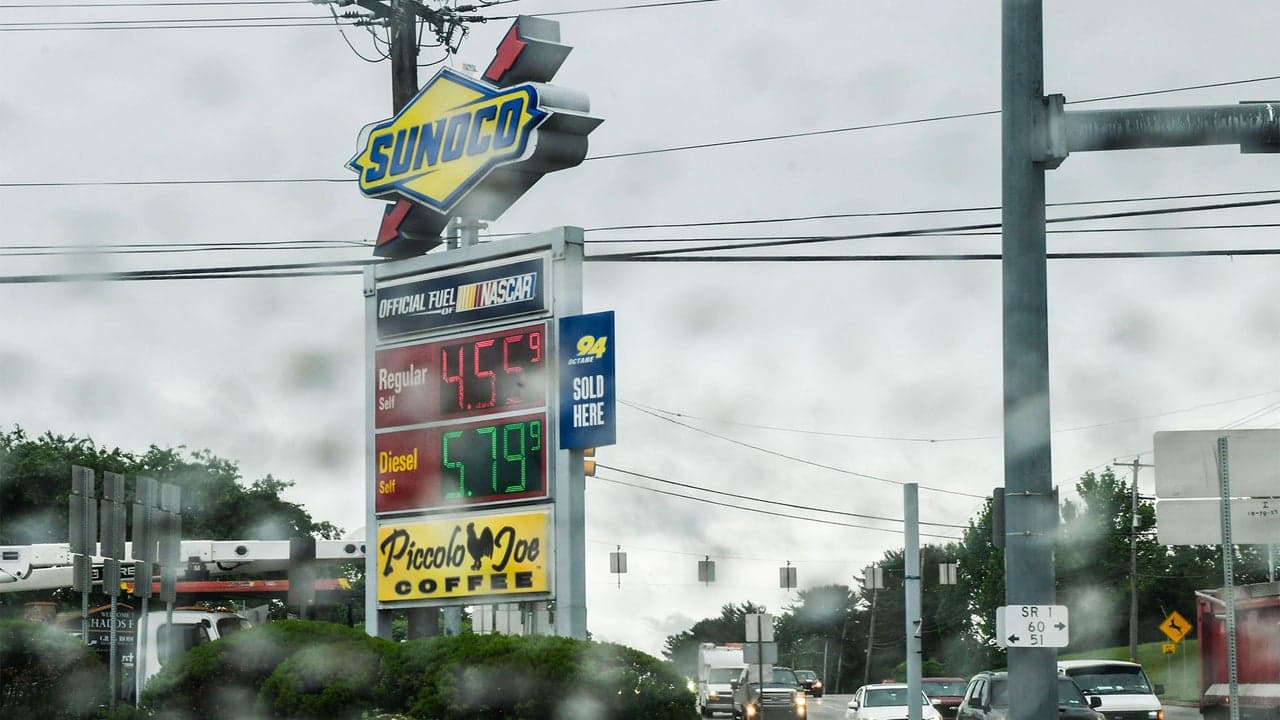
Photo via Fast Company
Inflation pressures are no longer confined to the gas pump. According to recent economic data, year-over-year price increases have reached 3.8%—the fastest pace since 2021—with broad-based gains across housing, utilities, groceries, and airline fares. For Dalton-area business owners, this signals a critical moment: energy costs are not just a direct expense line item, but a leading indicator of broader economic strain that affects shipping, supply chains, and customer spending power.
The Federal Reserve is particularly concerned about how rising energy costs ripple through the broader economy. When consumers pay more for gas and utilities, they have less disposable income for retail, dining, and services—categories vital to Dalton's local economy. Additionally, businesses already face pressure from higher borrowing costs, as long-term Treasury yields have climbed to their highest levels since 2007, affecting mortgage rates and loan availability for growth-minded companies in the region.
The challenge for policymakers—and for business planners in Dalton—is that traditional inflation-fighting tools are blunt instruments. While the Federal Reserve considers rate increases to combat inflation, such moves can dampen consumer demand and economic growth simultaneously. For local employers, this creates a difficult planning environment: expect continued wage pressure from workers concerned about cost-of-living increases, alongside softer consumer demand and tighter credit conditions.
The coming months will be crucial. New Federal Reserve Chair Kevin Warsh takes the helm at a moment of significant economic uncertainty, with his first major policy meeting scheduled for mid-June. Dalton business leaders should monitor Fed communications closely and prepare contingency plans for both higher interest rates and weaker consumer spending—a combination that could persist longer than typical economic cycles.