Photo via Fortune
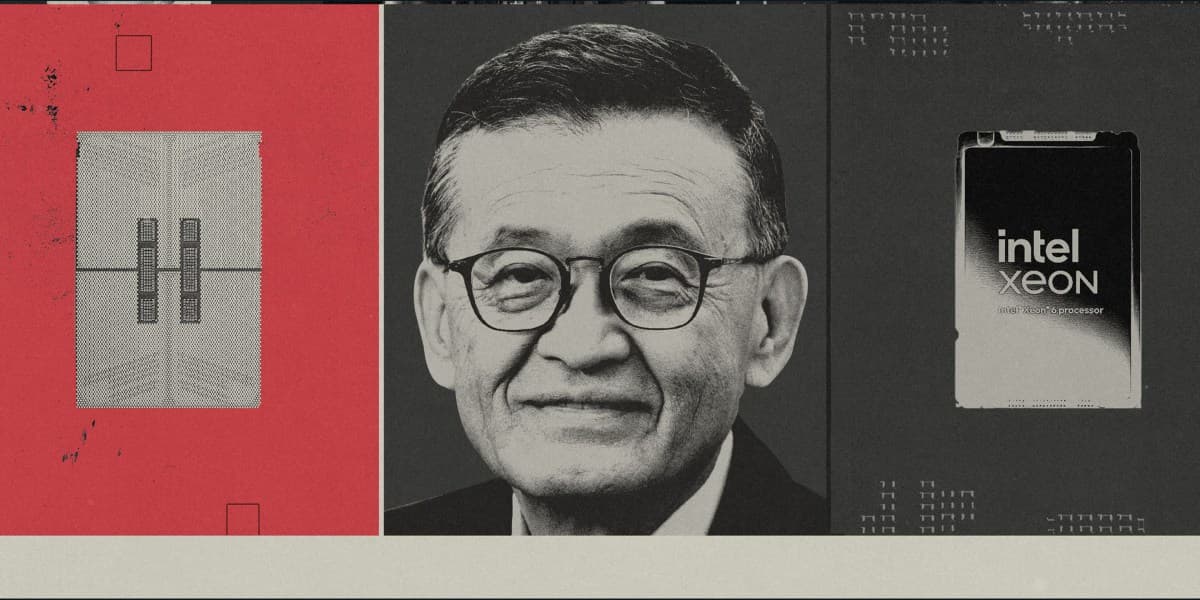
Intel has emerged from a period of significant challenges under new leadership, with CEO Lip-Bu Tan implementing sweeping organizational reforms that have already begun showing results. According to Fortune, the company has reduced its management hierarchy by half, a dramatic move designed to improve decision-making speed and operational efficiency. The restructuring signals a departure from the bureaucratic challenges that plagued Intel during its previous leadership era.
The financial markets have responded positively to these changes, with Intel's stock climbing nearly 500% since Tan's appointment roughly 13 months ago. This dramatic recovery reflects investor confidence in the company's turnaround strategy and its renewed focus on core competencies. The stock performance underscores how decisive leadership and structural reform can restore shareholder value, a dynamic worth monitoring for Georgia-based investors and technology companies evaluating their own organizational health.
A key component of Intel's revival has been securing significant capital infusions from major technology players, including Nvidia and SoftBank. These investments not only provide crucial funding but also signal confidence from industry leaders in Intel's strategic direction. The partnerships are particularly notable given that Intel was previously losing ground in the competitive artificial intelligence chip market, where these investors have substantial stakes.
Looking ahead, Intel is advancing toward next-generation chip manufacturing processes that could solidify its competitive position. For businesses in the Dalton region reliant on semiconductor supply chains or considering technology infrastructure investments, Intel's stabilization could have meaningful implications for procurement and partnership opportunities. The company's recovery demonstrates that even established technology giants can reinvent themselves through focused leadership and strategic partnerships.