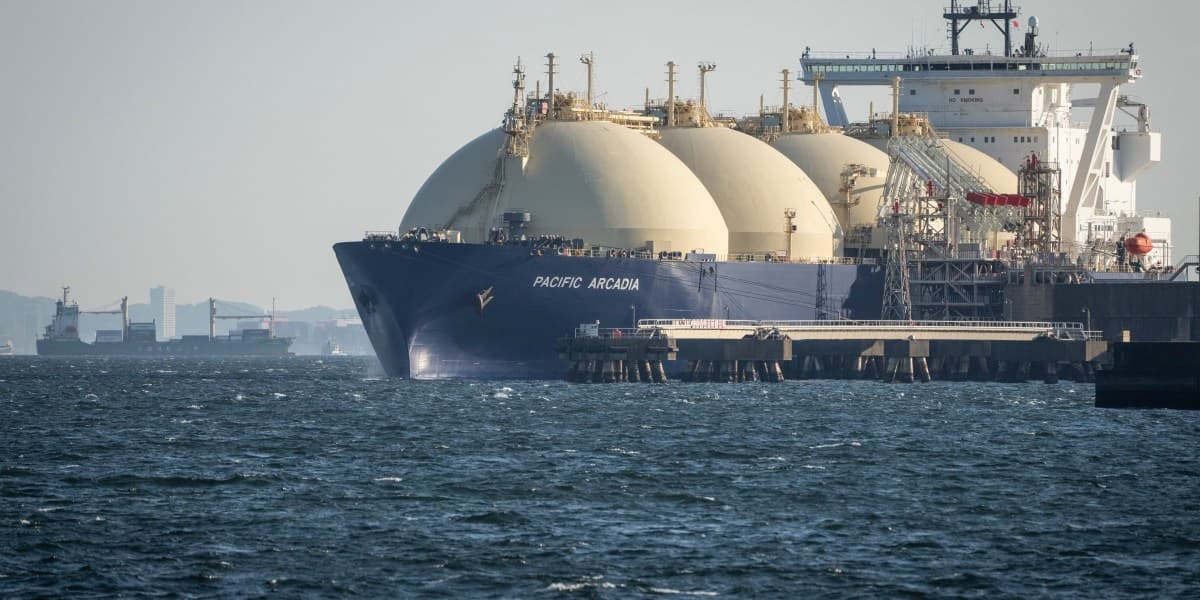
Photo via Fortune
Energy markets face renewed uncertainty as geopolitical tensions in Iran threaten to create fresh disruptions in global oil and gas supplies. According to Fortune's analysis, a second wave of Iran-related energy shocks could ripple across Asia and beyond, yet financial markets appear to be underreacting to the risk. This complacency among investors could spell trouble for businesses dependent on stable energy costs and predictable supply chains.
Chen Chien-Ming, an associate professor at National Taiwan University, attributes market indifference to what he calls 'wishful thinking that the war will soon end.' Investors appear to be betting on quick resolution rather than preparing for sustained disruptions. This optimistic outlook may be misplaced, particularly for regions like Northwest Georgia where manufacturing and logistics operations depend on stable energy costs and reliable transportation networks.
For Dalton-area businesses—particularly those in carpet manufacturing, chemicals, and distribution—energy price volatility poses real operational risks. Unexpected spikes in fuel and utility costs can squeeze margins and complicate long-term planning. Companies should monitor geopolitical developments closely and consider reviewing energy hedging strategies and supplier diversification plans.
The disconnect between market complacency and actual risk suggests prudent Dalton business leaders should prepare contingencies now rather than react later. Strengthening relationships with multiple energy suppliers, reviewing logistics efficiency, and stress-testing budgets for higher energy scenarios are prudent steps during periods of geopolitical uncertainty.