Photo via Fast Company
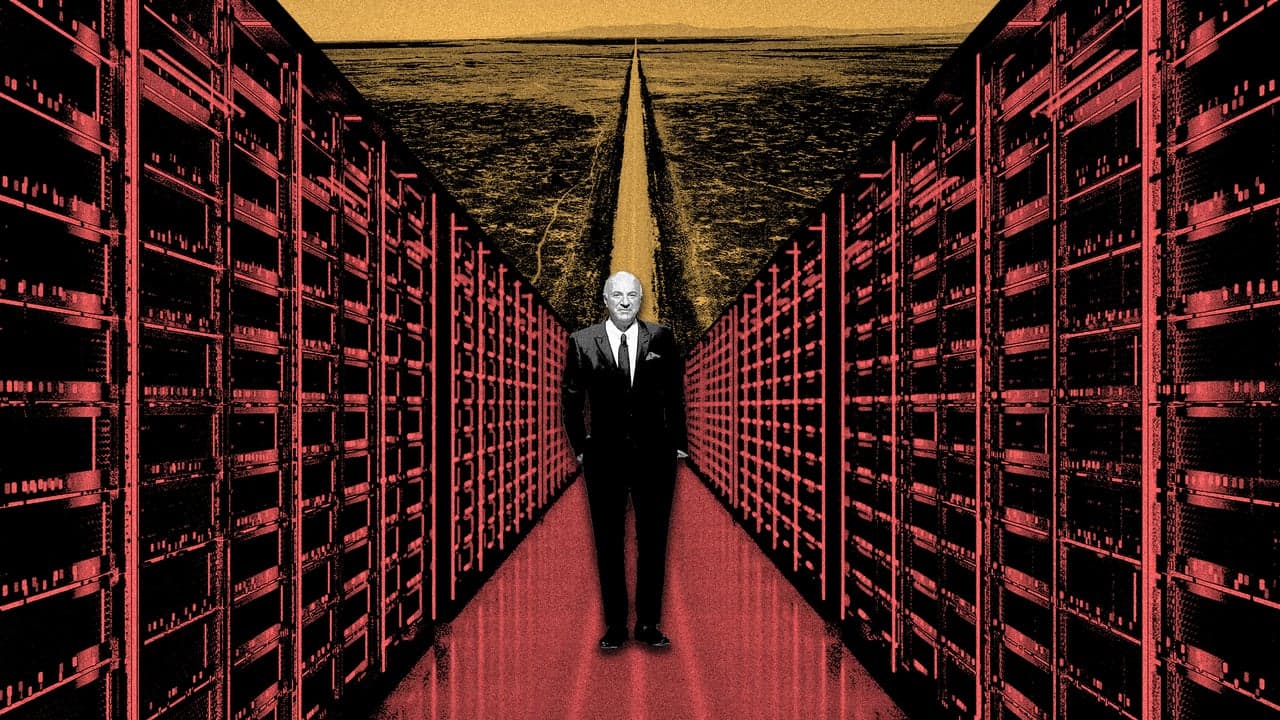
Shark Tank investor Kevin O'Leary's Wonder Valley data center project in Utah is facing significant skepticism from energy experts. The massive undertaking—spanning 40,000 acres with 9 GW of power capacity—would double the entire state's average electricity consumption. However, Olivia Wang, a research analyst at Sightline Climate, estimates only a 15% probability the project will actually be built at the scale currently envisioned.
According to Wang's analysis, Wonder Valley lacks fundamental project elements required for successful development. The venture has no secured power contracts, no confirmed financing, no publicly announced tenants despite O'Leary's claims of interest, and no air quality permits filed—a prerequisite that alone could delay approvals by two years. The project's partner developer, West GenCo, appears to have no prior track record in data center infrastructure, raising additional red flags for industry observers.
The broader data center sector faces significant headwinds. Sightline Climate estimates that 30-50% of proposed data center projects in 2026 are unlikely to launch on schedule, with 26% of expected capacity already slipping in 2025. Power availability remains the primary bottleneck, but regulatory and environmental challenges compound the problem, particularly for off-grid operations requiring extensive permitting.
Public opposition to large-scale data centers has intensified dramatically. A Gallup poll found that 70% of Americans oppose AI data center construction in their regions, while Wonder Valley specifically faced nearly 4,000 water rights protests from concerned Utah residents citing drought and Great Salt Lake concerns. Industry tracker Data Center Watch documented over 40 new moratorium proposals in just two months, with 20 major projects worth $98 billion delayed or blocked in 2025 alone.