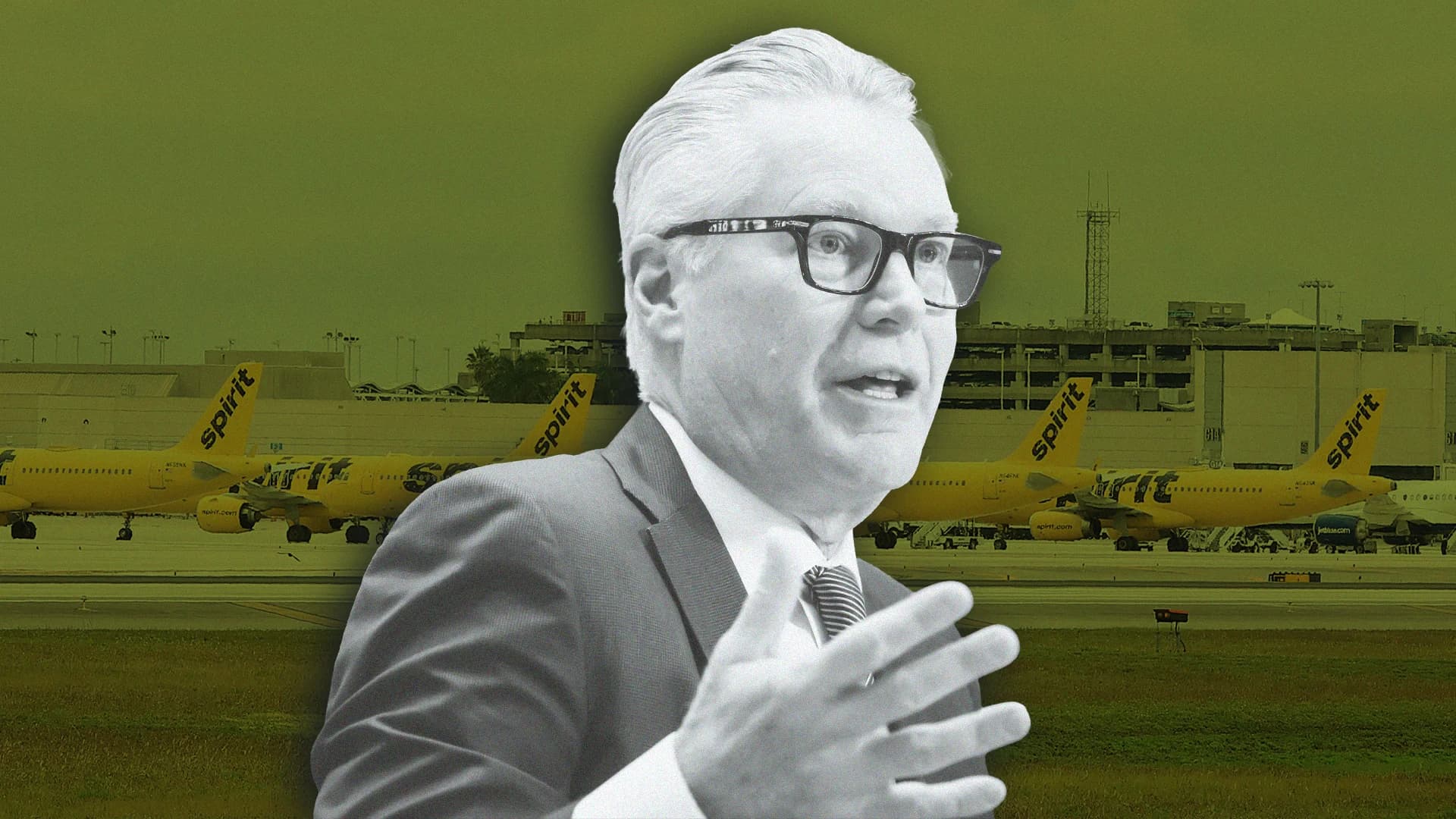
Photo via Inc.
Spirit Airlines' operational challenges and eventual struggles in the competitive airline industry have sparked discussion among business leaders about what constitutes a viable product strategy. According to Inc., a premium airline CEO recently weighed in on Spirit's difficulties, suggesting that the carrier's fundamental business model may have been flawed from the start. This perspective raises important questions for any business operating in a highly competitive, margin-thin industry.
The airline industry, like many sectors served by Dalton-area logistics and transportation companies, operates on razor-thin profit margins where customer perception and operational efficiency are critical differentiators. Spirit's ultra-low-cost model, while initially appealing to price-sensitive consumers, ultimately couldn't sustain profitability or customer loyalty. This lesson applies broadly to regional businesses competing primarily on price rather than value.
For Dalton business owners and executives, the Spirit Airlines case underscores the importance of clearly defining what your product or service actually is—and ensuring that definition resonates with your target market. A race to the bottom on pricing often signals underlying weaknesses in product quality, customer experience, or operational efficiency that eventually surface.
The takeaway for our business community: sustainable competitive advantage requires more than low costs. It demands a compelling value proposition, operational excellence, and customer-centric decision-making. Whether you're in transportation, manufacturing, or services, understanding your true product—and whether it meets genuine market needs—is foundational to long-term success.