Photo via Georgia Recorder
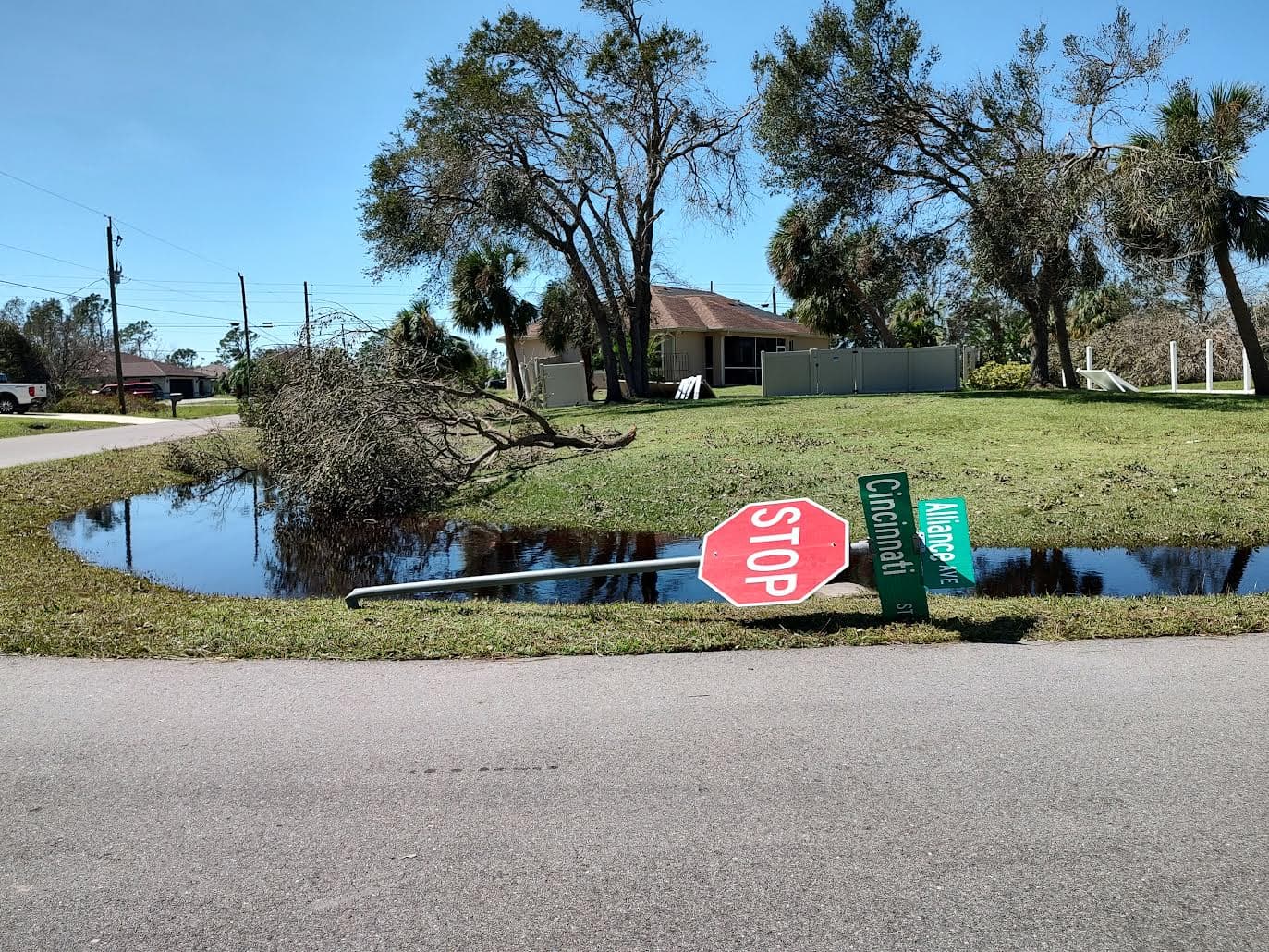
According to the Georgia Recorder, meteorologists are forecasting a quieter-than-normal Atlantic hurricane season, which may offer some relief to businesses across the Southeast. However, experts caution that even a single major storm can inflict substantial economic and operational disruption, making preparedness essential regardless of seasonal predictions. For Dalton-area companies with supply chain operations or facilities in hurricane-prone regions, the reduced threat presents an opportunity to review contingency plans without immediate pressure.
The optimistic seasonal outlook is tempered by concerns about federal agency capacity to respond to disasters. Many climate, weather, and emergency management agencies face proposed budget reductions that could compromise their ability to track storms, issue timely warnings, and coordinate relief efforts. According to policy analysts cited in the Georgia Recorder report, these funding pressures could create gaps in the infrastructure that businesses and communities depend on during crisis situations.
For Dalton businesses with Southeast operations—particularly those in logistics, manufacturing, and distribution—the current moment underscores the importance of independent risk assessment and emergency planning. Rather than relying solely on federal resources, companies should evaluate their own disaster protocols, backup systems, and insurance coverage. The calmer season provides a window to strengthen operational resilience before the next significant storm threat emerges.