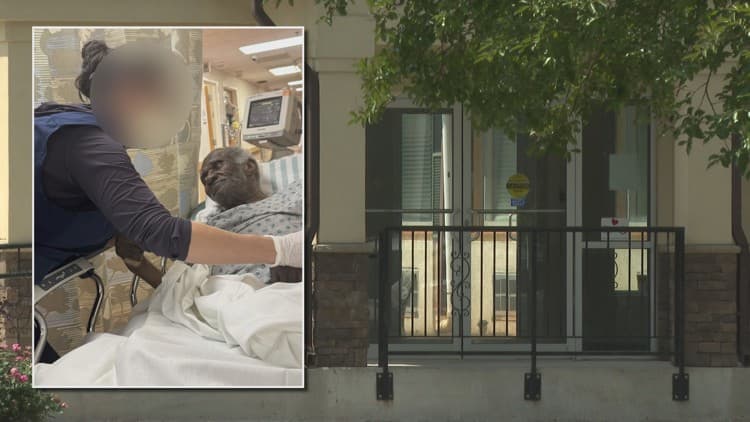
Photo via Inc.
The New York City Health and Hospitals Corporation recently disclosed a significant cybersecurity incident that went undetected for nearly three months, from November 2025 through February 2026. According to reporting by Inc., the breach compromised the personal data of at least 1.8 million individuals, raising serious questions about how such an extended intrusion could remain hidden within one of the nation's largest public health systems.
For healthcare administrators and IT leaders in the Dalton region—whether managing hospital networks, urgent care facilities, or medical practices—this breach underscores the vulnerability of healthcare infrastructure to sophisticated cyber threats. The extended detection window suggests that even well-resourced institutions may lack adequate monitoring systems to identify unauthorized access quickly, a concern particularly relevant for smaller and mid-sized healthcare providers with limited cybersecurity budgets.
The incident highlights the critical importance of robust monitoring systems, employee training, and rapid incident response protocols. Healthcare organizations across Georgia and the Southeast should view this case as a benchmark for reviewing their own security posture, including regular penetration testing, network segmentation, and automated threat detection capabilities that can identify unusual activity in real time.
As healthcare continues its digital transformation with electronic health records, telemedicine platforms, and connected medical devices, the risk of prolonged breaches remains substantial. Local healthcare leaders should prioritize cybersecurity investments not as optional upgrades but as essential operational safeguards to protect patient data and maintain community trust in their institutions.