Photo via 11Alive Atlanta
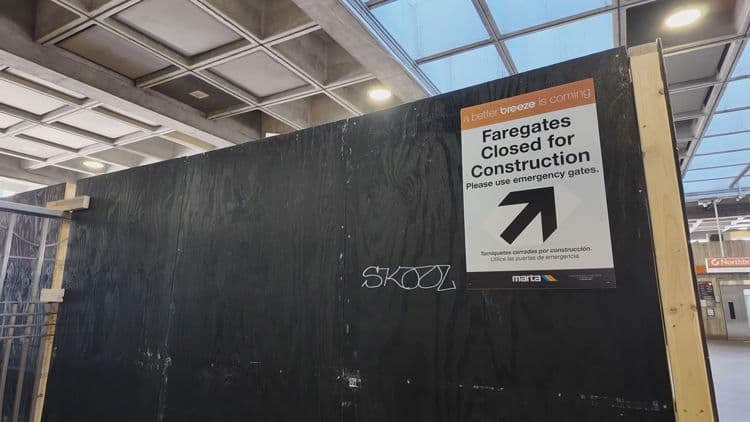
The Metropolitan Atlanta Rapid Transit Authority (MARTA) is transitioning to mandatory fare payment through its updated Better Breeze system beginning Saturday, concluding an extended grace period that allowed riders complimentary access. According to 11Alive Atlanta, this shift represents a significant operational change for the region's primary public transit network, which serves as a critical transportation backbone for metro Atlanta's workforce and commerce.
For Dalton-area businesses with operations or employees in the Atlanta metropolitan region, MARTA's infrastructure improvements warrant attention. The transit system facilitates employee commuting, supply chain logistics, and business travel for companies throughout North Georgia that maintain ties to Atlanta's economic hub. The new payment platform aims to modernize fare collection while improving system efficiency and revenue tracking.
The transition has generated mixed reactions among MARTA's ridership base, according to reporting from the news source. While some commuters welcome the system's technological upgrades and convenience features, others express concerns about the end of complimentary transit access. This sentiment reflects broader conversations about transportation affordability and public infrastructure investment across the Southeast.
For regional business leaders, MARTA's operational changes underscore the importance of monitoring Atlanta-area infrastructure developments that may influence workforce mobility, logistics corridors, and regional economic connectivity. As the system matures under its new payment framework, businesses dependent on reliable transit access should track any adjustments to service reliability or operational efficiency that might affect their Atlanta-market operations.