Photo via Fortune
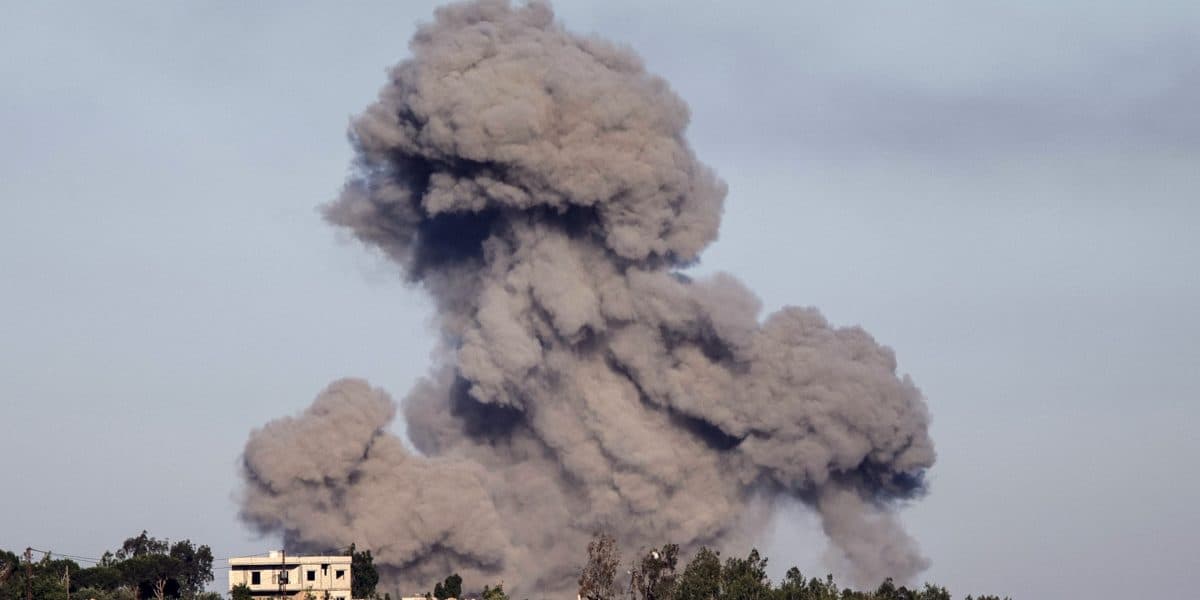
Geopolitical tensions in the Middle East are intensifying as Israeli military operations expand into Lebanon, according to Fortune. Israeli Defense Minister Israel Katz announced that the IDF has advanced its position to include the strategic Beaufort castle near Nabatieh, marking a significant escalation in the regional conflict. This expansion comes at a critical moment when diplomatic channels between Iran and the United States remain uncertain.
For Dalton-area business leaders, such geopolitical instability can have ripple effects across multiple sectors. Disruptions in Middle Eastern supply chains, energy markets, and international trade could impact logistics operations, manufacturing costs, and investment portfolios of regional companies. The carpet and flooring industries—cornerstones of Dalton's economy—depend on stable global trade relationships and commodity pricing.
The uncertainty surrounding Iran-U.S. negotiations adds another layer of concern for business strategists. Depending on the direction of diplomatic talks, sanctions regimes could shift, affecting import-export dynamics and international business partnerships. Companies with global supply chains or international clients should monitor developments closely, as policy changes can occur rapidly in response to military escalations.
Dalton business professionals should consider reviewing their exposure to geopolitical risk, particularly those with international operations or reliance on foreign suppliers. Staying informed through reliable business news sources and consulting with financial advisors about portfolio diversification strategies may help mitigate potential economic headwinds resulting from Middle East tensions.