Photo via TechCrunch
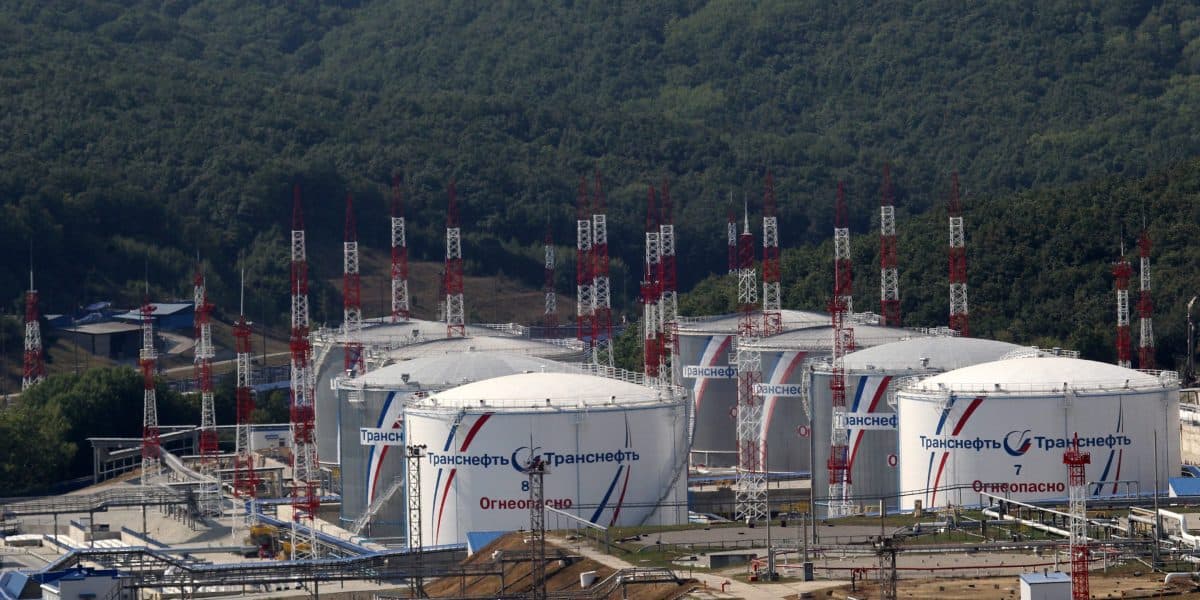
According to TechCrunch, Elon Musk's artificial intelligence venture xAI has made a significant strategic shift, committing substantial resources to natural gas infrastructure rather than renewable solar energy. This move represents a notable departure from Musk's previous public advocacy for a solar-electric future, raising questions about the feasibility and timeline of widespread solar adoption in powering data-intensive operations.
Meanwhile, SpaceX is pursuing an alternative energy strategy focused on orbital data centers—a vision that sidesteps terrestrial solar infrastructure altogether. The company's pivot suggests that even within Musk's portfolio of ventures, there is growing skepticism about ground-based renewable solutions meeting the enormous power demands of modern computing and artificial intelligence systems.
For Dalton-area businesses monitoring energy trends and infrastructure investments, this shift has potential implications. As major technology firms reassess their energy strategies, regional opportunities in natural gas distribution, power generation, and data center support services may warrant attention from local industrial and logistics providers.
The broader message signals that despite renewable energy's environmental appeal, companies managing massive computational loads are pragmatically choosing energy sources they view as more reliable and scalable. This reality check may reshape how businesses in Georgia evaluate their own energy strategies and investment priorities in coming years.