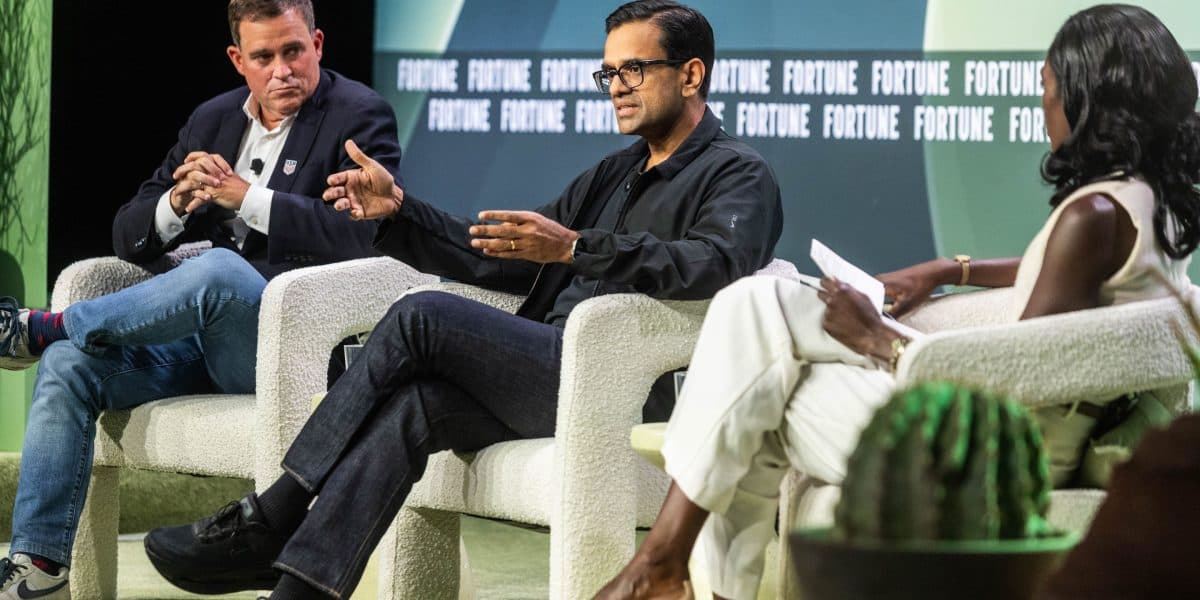
Photo via Fortune
The 2026 FIFA World Cup represents far more than a sporting event—it's a massive corporate undertaking that demands years of meticulous preparation from global powerhouses like Nike and U.S. Soccer. According to Fortune, executives from both organizations are locked in on a singular mission: ensuring the U.S. team is positioned to compete at the highest level. The scale of this commitment spans multiple dimensions, from product development to organizational readiness, underscoring how international competitions shape business strategy.
Jersey design alone illustrates the complexity involved. Nike has invested six years into developing the uniforms that will represent American players on the world stage, blending performance technology with symbolic design. This extended timeline reflects how seriously major sports brands approach major tournaments—every detail from fabric composition to color selection carries weight. For supply chain and manufacturing professionals in the region, such projects demonstrate the intricate planning required when producing goods for global events.
Beyond jerseys, U.S. Soccer's operational leadership has spent four years building the institutional infrastructure needed to support a competitive World Cup campaign. According to the source, this preparation encompasses everything from team logistics to strategic planning. Chief operating officers are managing coordination across multiple stakeholders, a challenge that mirrors complex project management in other high-stakes industries.
Despite external uncertainties—including ticket distribution challenges and infrastructure readiness questions—leadership at both organizations remains focused on execution. For Dalton-area business leaders, this case study illustrates how successful organizations prepare for major milestones by investing in advance planning, cross-functional coordination, and maintaining clear strategic objectives even amid external pressures.