Photo via CNBC Business
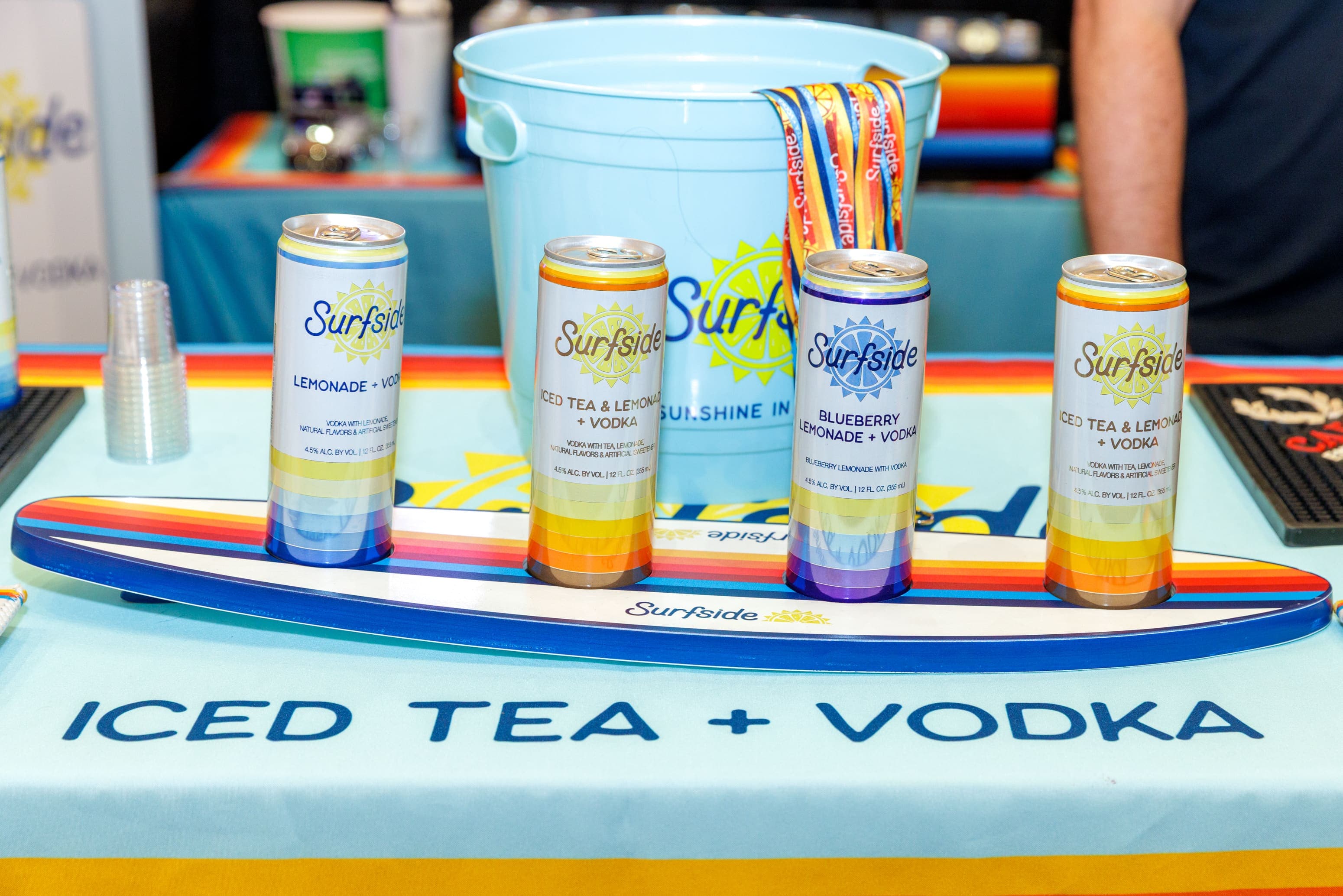
The beverage landscape is shifting as non-carbonated alcoholic drinks gain traction in the marketplace, according to CNBC Business. Brands like Surfside and BeatBox are capturing market share from the hard seltzer category that dominated recent years, signaling a meaningful change in consumer tastes. For Dalton-area retailers and distributors, this trend represents both an opportunity to diversify product offerings and a need to reassess inventory strategies.
Generation Z consumers appear to be driving much of this transition away from carbonated options. As younger drinkers seek alternatives, beverage companies are responding with new formulations and product categories. Dalton's retail community should monitor these demographic preferences closely, as Gen Z spending patterns increasingly influence regional purchasing decisions across the Southeast.
The shift from hard seltzers to non-carbonated beverages reflects broader consumer trends toward variety and experimentation. What was once a dominant category now faces real competition, underscoring how quickly beverage preferences can evolve. Local retailers who stay ahead of these trends by stocking emerging brands can position themselves as destinations for consumers seeking the latest options.
For businesses in Dalton's retail and distribution sectors, the takeaway is clear: consumer preferences are fluid and worth monitoring. Those who adapt their product mix to reflect changing demand—particularly among younger demographics—will be better positioned to capture sales growth in an increasingly competitive market. Industry observers should expect continued innovation as beverage brands vie for consumer attention in this dynamic space.