Photo via Inc.
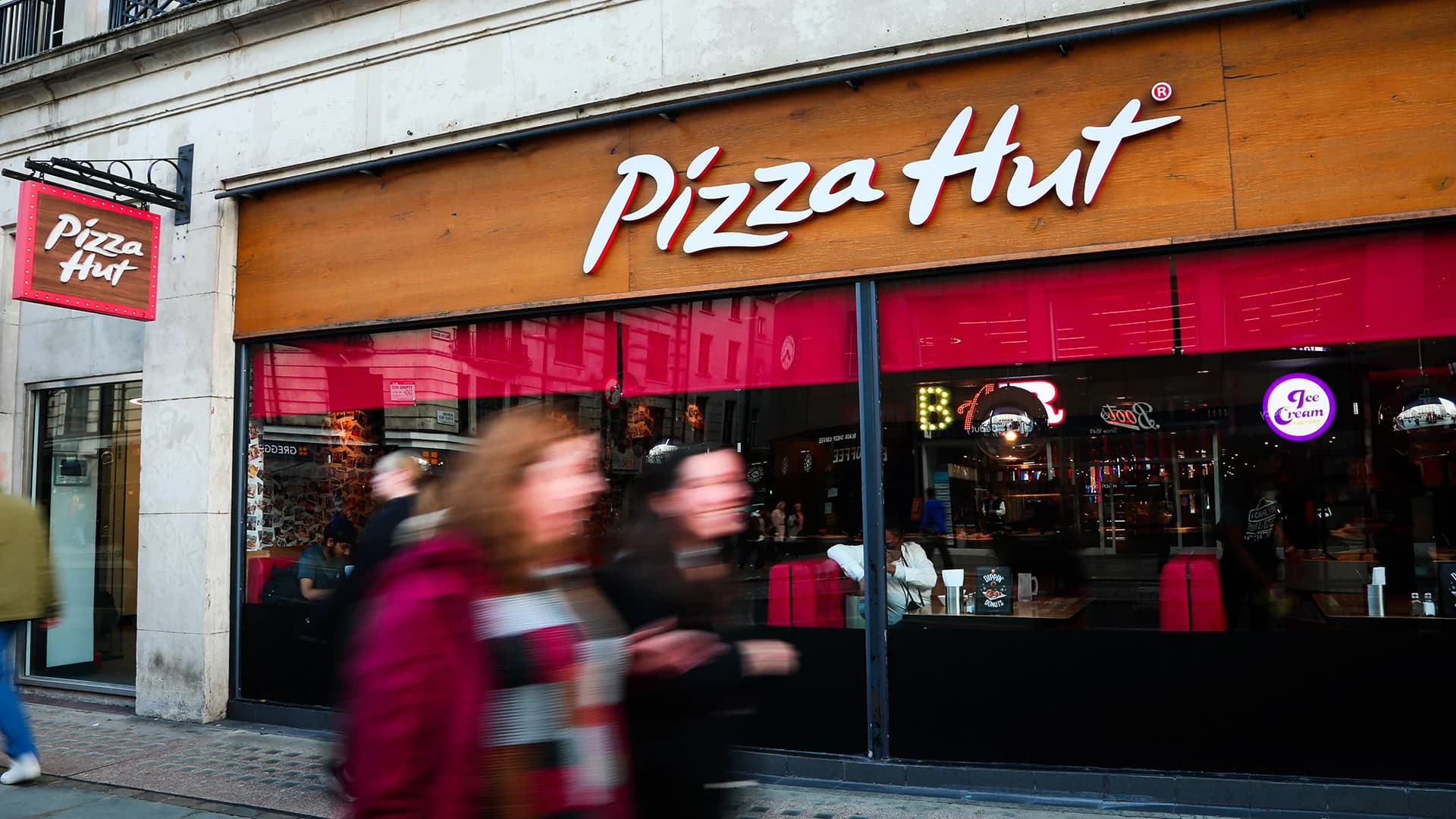
A Pizza Hut franchisee has initiated legal action in Texas Business Court, seeking $100 million in damages against the chain over disputes related to its artificial intelligence-powered delivery system. According to Inc., the lawsuit represents an escalating conflict between corporate restaurant operators and their franchise partners regarding technology adoption and operational control.
The case underscores a critical challenge facing the quick-service restaurant industry: how chains balance technological innovation with franchisee profitability and autonomy. As major competitors like McDonald's invest heavily in AI-driven solutions to streamline operations and enhance customer experiences, franchise operators are questioning whether these systems create fair value distribution or simply shift costs and operational burdens to their level.
For Dalton-area restaurant owners and franchise operators, this lawsuit serves as a cautionary example of potential friction points when corporate mandates technology upgrades without clear communication about implementation costs, training requirements, and expected returns on investment. Local franchisees considering expansion or new partnerships should carefully review technology clauses and vendor relationships before signing agreements.
The outcome of this case could set important precedent for how restaurant chains deploy automation initiatives across their networks. Industry observers suggest the dispute may prompt other franchisees to challenge similar implementations, potentially forcing chains to adopt more collaborative approaches with franchise partners when rolling out AI and algorithmic systems that directly impact daily operations and profitability.