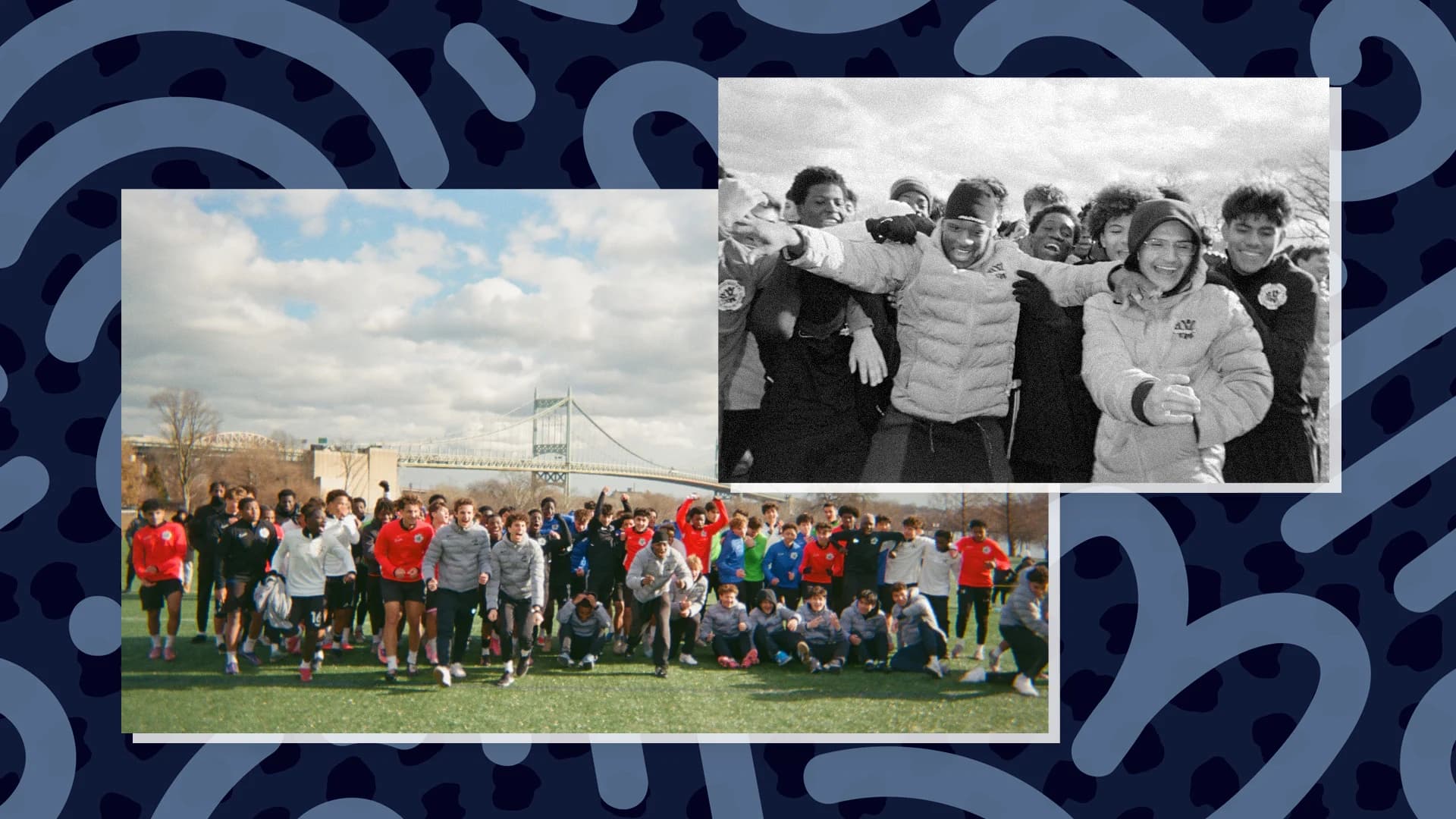
Photo via Inc.
According to Inc., a decentralized movement initiated by players themselves is fundamentally changing how U.S. soccer operates, starting with what began as a simple 'big brother' mentorship concept that expanded into national influence. This shift demonstrates how frontline workers—in this case, athletes—are taking ownership of systemic issues rather than waiting for top-down directives. For Dalton-area business leaders, this case study illustrates the growing importance of listening to employee voices and empowering staff to drive meaningful organizational change.
The player-led approach represents a broader workforce trend gaining momentum across industries. When employees feel heard and trusted to solve problems, engagement and retention typically improve. Companies in Dalton's manufacturing, logistics, and service sectors can apply similar principles by creating formal channels for worker input, fostering peer mentorship programs, and allowing ground-level teams to drive operational improvements.
This movement also highlights how generational shifts in worker expectations are reshaping traditional hierarchies. Younger professionals increasingly expect to participate in decision-making processes rather than simply follow established protocols. Organizations that adapt their leadership models to accommodate collaborative input are positioning themselves to attract and retain talent in an increasingly competitive market.
As this soccer movement continues evolving, local business leaders should consider what similar grassroots initiatives might look like in their own organizations. Establishing trust, removing barriers to employee participation, and recognizing that frontline workers often hold valuable solutions can strengthen company culture and competitive advantage.