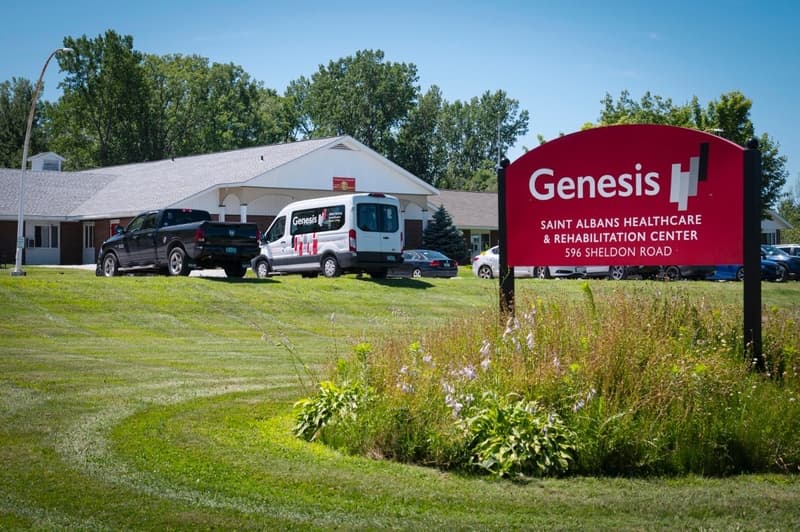
Photo via Georgia Recorder
Recent crises at nursing facilities across the country have prompted state lawmakers to take a closer look at how private equity ownership affects healthcare operations and resident safety. According to the Georgia Recorder, facilities like St. Joseph's Center in Connecticut have faced serious infrastructure failures, including water contamination and fire safety system breakdowns that forced mass evacuations. These incidents have sparked broader conversations among state regulators about whether profit-driven ownership models prioritize cost-cutting over essential maintenance and safety upgrades.
For Dalton-area healthcare providers and senior living operators, these regulatory developments could have significant implications. States are increasingly proposing oversight mechanisms and operational requirements specifically targeting private equity-owned healthcare facilities. Industry experts suggest that facilities with transparent ownership structures and reinvestment commitments may find themselves at a competitive advantage as consumer awareness grows and regulations tighten around the country.
Healthcare administrators in Northwest Georgia should monitor evolving state regulations closely, as Georgia may follow other states in implementing stricter guidelines for facility ownership and operations. Understanding the policy landscape around private equity involvement in healthcare could influence facility investment decisions, financing strategies, and compliance requirements. Industry associations and legal counsel are beginning to address these emerging regulatory trends, making now an opportune time for local operators to assess their own governance and safety protocols.