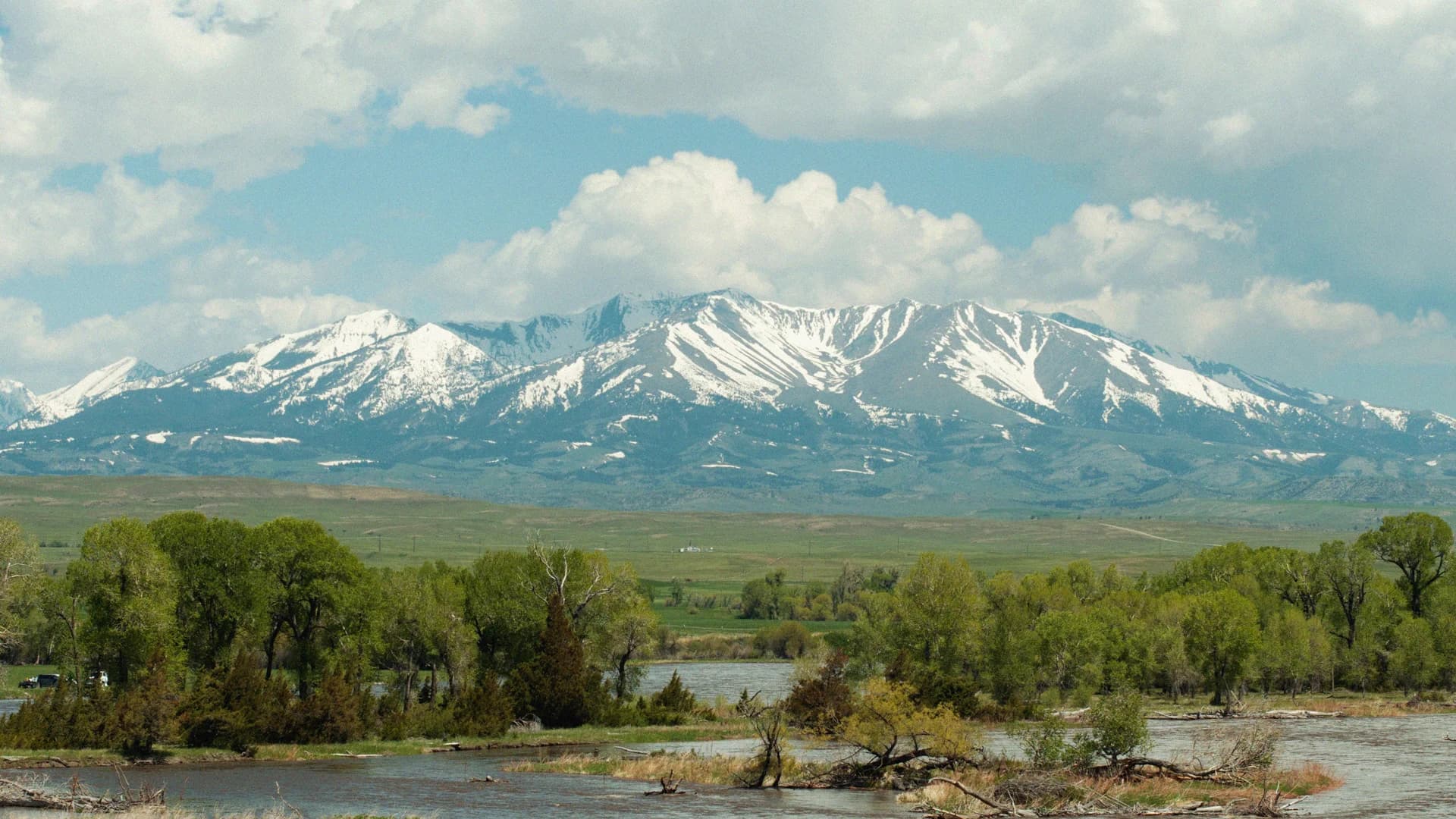
Photo via Inc.
Real estate transactions involving public lands have become increasingly scrutinized across the country, with recent developments highlighting the tension between private development interests and community concerns. According to Inc., an ultra-exclusive resort recently facilitated the transfer of 4,000 acres of public land into private ownership—a move that triggered significant local opposition and debate about appropriate uses of public resources.
For Dalton-area business professionals in real estate and development, this case study underscores the growing complexity of land deals that touch public property. Community stakeholders, local governments, and environmental groups are more vigilant than ever about monitoring transactions that convert public assets to private use. Understanding these dynamics is essential for developers seeking approvals for mixed-use projects or significant property acquisitions in Georgia.
The controversy surrounding such land swaps typically centers on questions of fair value, environmental impact, and whether private interests have disproportionate influence over public decision-making. Local residents who depend on public land access for recreation, conservation, or economic reasons often mobilize opposition to proposed transfers. For business leaders, this means comprehensive stakeholder engagement and transparent communication are critical prerequisites for any large-scale development proposal.
As Georgia's real estate market continues growing, developers and investors should anticipate increasing scrutiny of public-private arrangements. Proactive community dialogue, environmental assessments, and clear public benefit demonstrations can help smooth the path for legitimate development projects while building trust with local stakeholders and government officials.