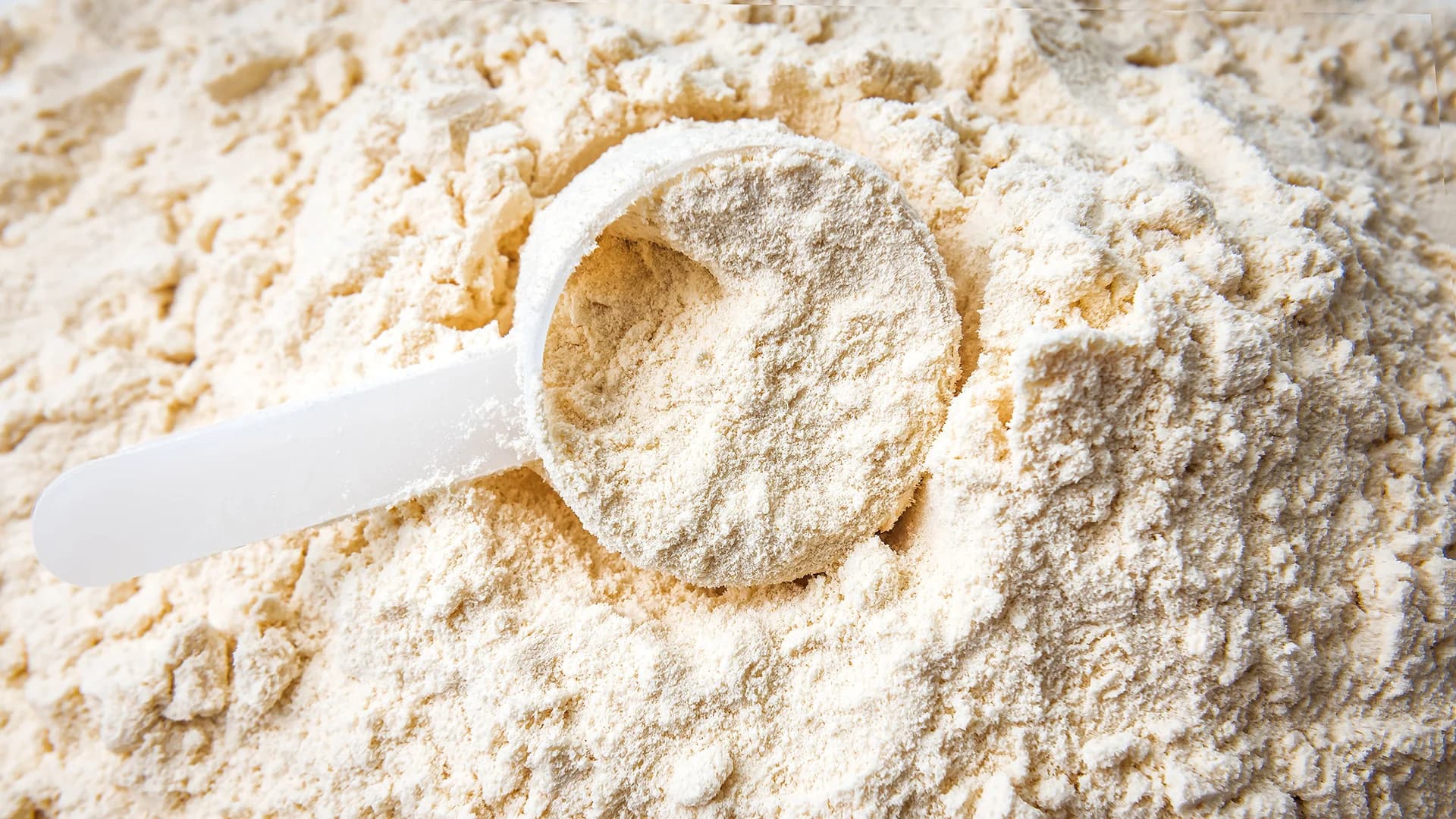
Photo via Inc.
The protein supplement industry faces mounting supply challenges as whey protein isolate—a key ingredient in bars, shakes, and snack products—becomes increasingly scarce. According to Inc., suppliers are reporting difficulty sourcing adequate quantities of this widely-used ingredient as demand from health-conscious consumers continues to surge.
For Dalton-area manufacturers and distributors in the food processing and nutritional products sectors, the shortage signals potential cost increases that may ripple through the supply chain. Companies producing protein-enriched snacks or beverages will likely face higher raw material expenses, which could eventually translate to increased prices for retailers and consumers.
The broader context reveals how interconnected commodity markets directly impact local businesses. Whey protein isolate supply disruptions reflect global challenges in dairy ingredient processing, manufacturing capacity, and international trade logistics—factors beyond any single regional manufacturer's control.
Dalton business leaders in the food and nutrition sectors should monitor this developing situation closely. Companies may want to evaluate inventory strategies, explore alternative protein sources, or communicate proactively with customers about potential pricing adjustments as the market adjusts to the new supply reality.