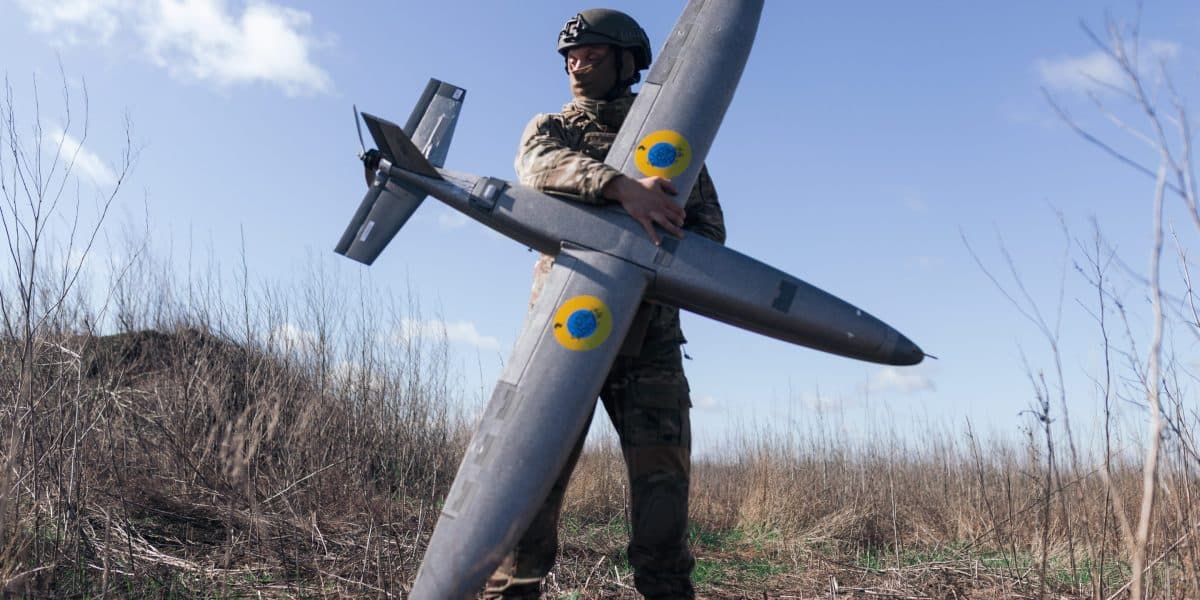
Photo via Fortune
Russia's economy is showing severe strain from sustained military expenditures, with government officials acknowledging that war-related costs are creating significant financial headwinds. According to Fortune, economic growth projections have been slashed dramatically, with GDP expansion now expected to reach just 0.4% this year compared to previous forecasts of 1.3%—a sobering indicator of the conflict's economic toll.
For Dalton-area businesses, particularly those in logistics and manufacturing, this economic deterioration in Russia carries indirect but meaningful implications. Reduced Russian purchasing power and disrupted trade patterns may accelerate shifts in supply chains that American companies have been managing since 2022, potentially opening new opportunities for domestic suppliers and regional distribution networks.
The financial strain on Russia's military operations, combined with reports of Ukrainian drone advantages changing battlefield dynamics, underscores how sustained conflict drains national resources. This type of economic pressure often leads to longer-term geopolitical uncertainty that affects currency markets, energy prices, and international trade relationships that touch regional businesses.
As global markets monitor Russia's economic deterioration, Dalton businesses should consider how shifting trade dynamics and supply chain realignments might create competitive advantages or challenges within their respective industries. Staying informed about international economic trends remains essential for companies with exposure to global markets or international customers.