Photo via Inc.
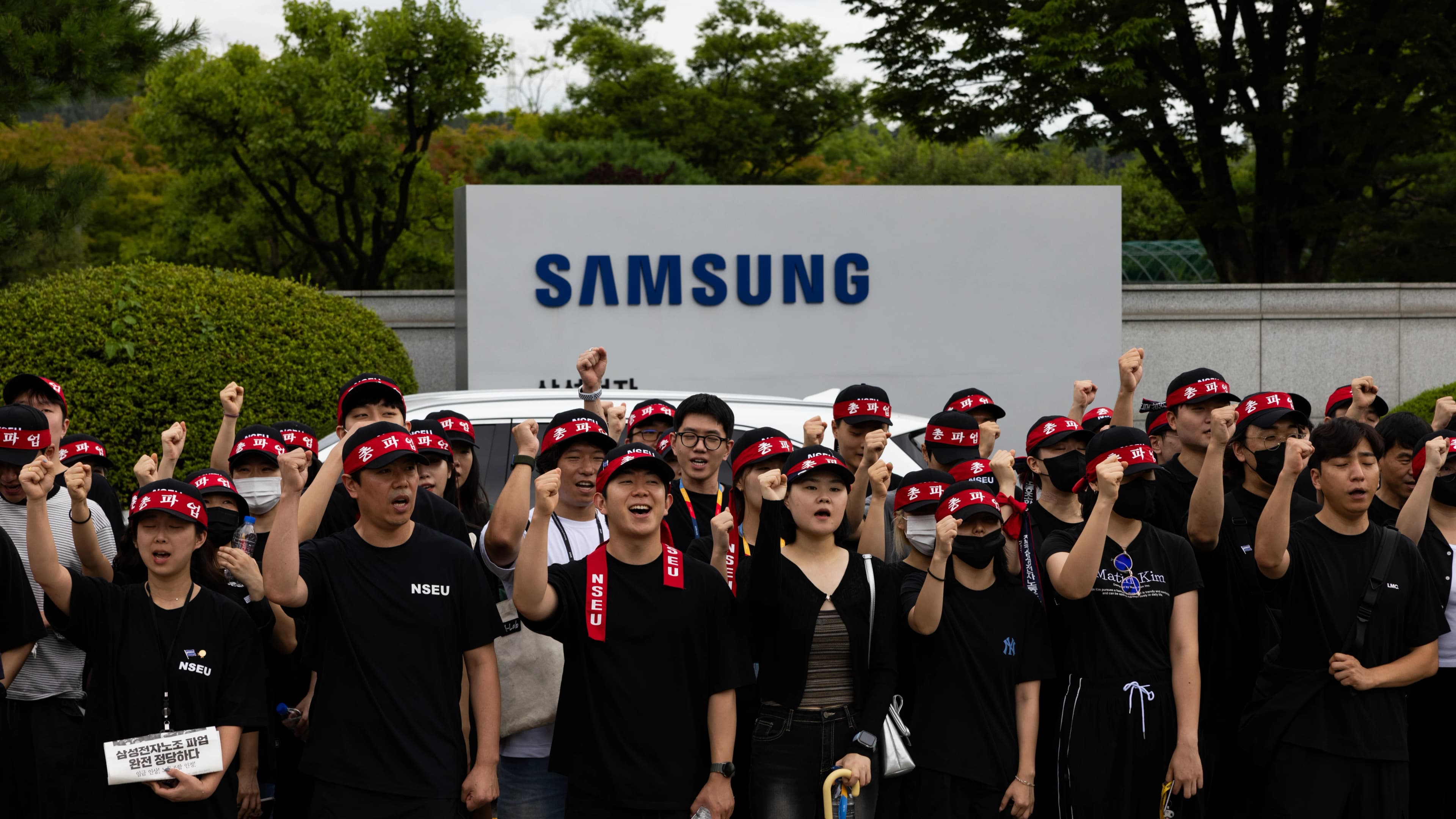
Samsung workers are mobilizing for a potential strike that could have ripple effects far beyond South Korea's borders. According to Inc., the labor action threatens to disrupt Samsung's memory chip business—a critical component in the global AI infrastructure that businesses nationwide rely on. For Dalton companies operating in technology, manufacturing, and logistics sectors that depend on steady semiconductor availability, such a supply chain disruption could create operational challenges.
Memory chips produced by Samsung represent a foundational element in artificial intelligence systems, data centers, and computing hardware. A prolonged work stoppage could constrain the global supply of these essential components at a time when demand is surging due to AI adoption across industries. The potential financial impact runs into billions of dollars, according to the source reporting, which could trigger broader economic consequences for tech-dependent sectors.
The timing is particularly sensitive given the current momentum in AI development and deployment. Companies across various industries—from healthcare and finance to logistics and manufacturing—are increasingly integrating AI technologies that require reliable semiconductor supply chains. A disruption at Samsung could force businesses to reassess supply chain resilience and consider diversification strategies for critical components.
For Dalton-area business leaders, this developing situation underscores the importance of monitoring global supply chain vulnerabilities and understanding how international labor actions could affect local operations. Companies dependent on advanced computing infrastructure should consider contingency planning and exploring alternative supplier relationships to mitigate potential disruptions from international labor disputes or production slowdowns.