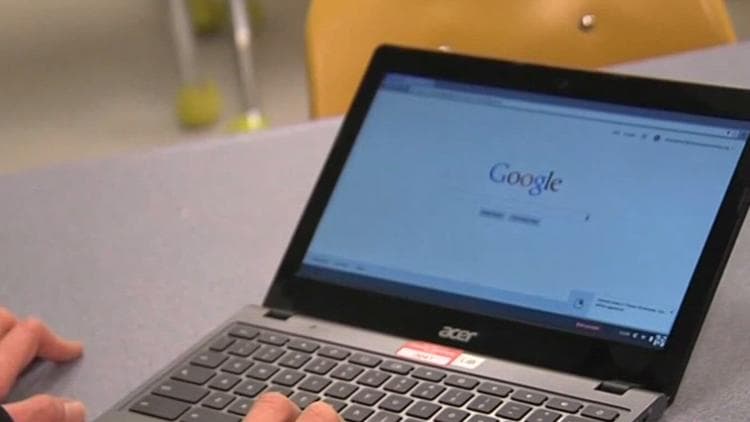
Photo via 11Alive Atlanta
Atlanta Public Schools leadership is currently evaluating policies around student screen time in classrooms, signaling a broader conversation about technology's role in K-12 education. According to 11Alive Atlanta, the school board is considering measures to limit device usage during instruction, though officials emphasize this reflects a desire for balanced teaching methods rather than a rejection of technology altogether.
The initiative comes as educators nationwide grapple with determining optimal technology integration in curricula. Board leadership has positioned the effort as seeking instructional balance—acknowledging that while digital tools offer valuable learning opportunities, excessive screen time may diminish other critical teaching methods and student engagement strategies.
For Dalton-area schools and business leaders invested in education, this policy discussion carries relevance as districts across Northwest Georgia often look to Atlanta's approaches for guidance. Technology companies serving educational markets, along with school administrators, should monitor how these policies develop and consider their implications for vendor relationships and classroom resource planning.
As schools continue adapting post-pandemic learning models, finding equilibrium between digital and traditional instruction remains a key challenge. The Atlanta board's deliberation may influence similar conversations in neighboring districts, making this a developing story worth following for education-focused stakeholders throughout the region.