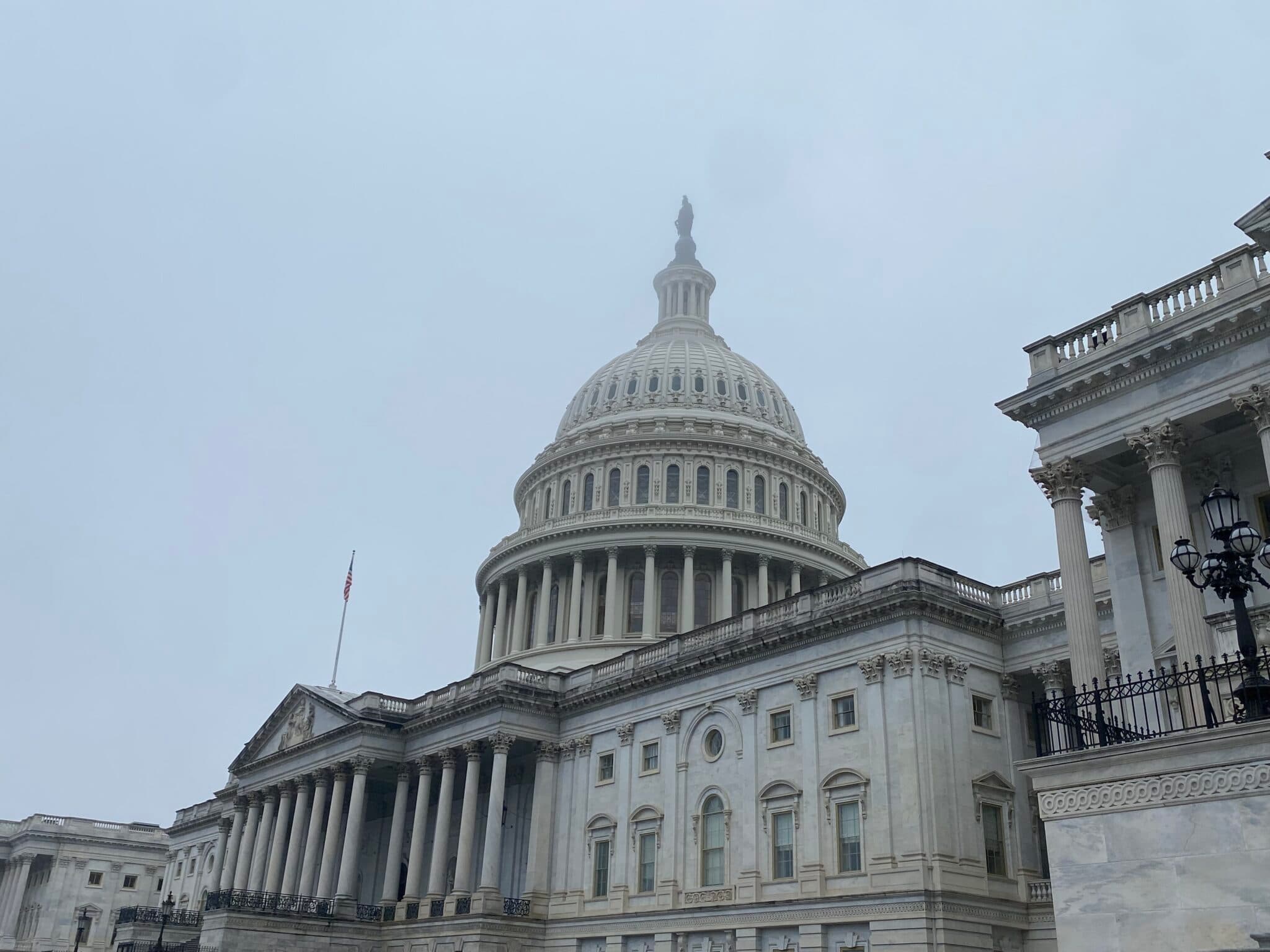
Photo via Georgia Recorder
The U.S. Senate has moved forward with a significant appropriations package directing nearly $70 billion toward Immigration and Customs Enforcement and Border Patrol operations, according to the Georgia Recorder. The marathon legislative session reflects ongoing federal investment in border security infrastructure and personnel, decisions that ripple through regional economies including Georgia's.
During the debate, Senate Republicans successfully blocked Democratic amendments that would have restricted the Department of Justice's use of an "anti-weaponization" fund for compensating individuals claiming wrongful prosecution. This procedural victory underscores the partisan tensions surrounding how federal law enforcement resources are allocated and overseen, matters that affect enforcement activities nationwide.
The spending allocation represents a substantial federal commitment to immigration enforcement at a time when many states and municipalities are managing border-related policy impacts. For Dalton-area businesses, particularly those in logistics, transportation, and manufacturing sectors that interface with federal compliance requirements, such spending decisions can influence regulatory environments and operational considerations.
As the Senate continues its work on the broader appropriations bill, business leaders should monitor how these enforcement investments may affect labor markets, supply chain dynamics, and regulatory compliance costs in the coming fiscal year. The outcome of these deliberations will shape federal priorities for years to come.