Photo via Georgia Recorder
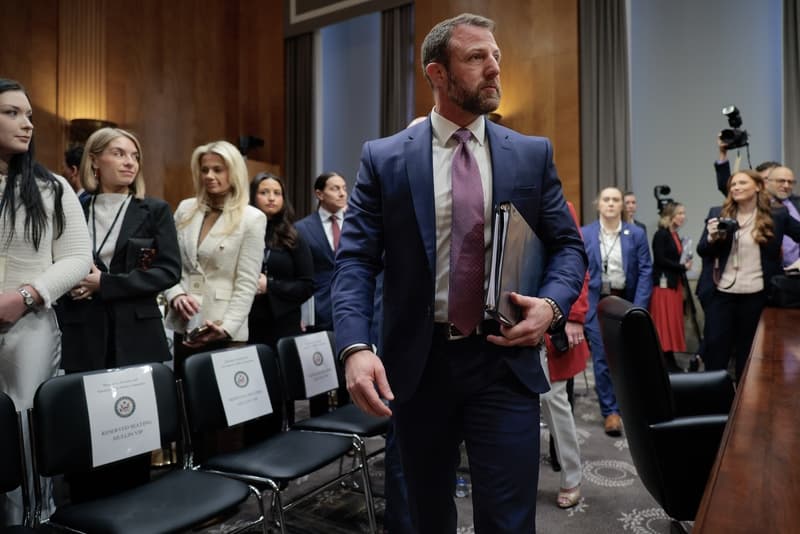
Homeland Security Secretary Markwayne Mullin faced scrutiny from the Senate Appropriations Homeland Security panel this week over proposed restrictions on customs processing at airports in Democratic-led cities, according to the Georgia Recorder. The plan has drawn criticism from lawmakers concerned about disrupting international commerce and travel.
The proposal would effectively redirect customs operations away from certain metropolitan airports, a move that could create bottlenecks in the nation's import-export infrastructure. For businesses in Northwest Georgia that rely on efficient supply chain logistics and international commerce, such disruptions could have cascading effects on delivery times and operational costs.
Democratic senators on the panel pressed the department on multiple fronts, questioning whether the aggressive approach aligns with legal requirements and due process. The debate reflects broader tensions over immigration enforcement tactics and their intersection with economic operations.
As the policy discussion continues in Washington, regional business leaders—particularly those in manufacturing, distribution, and import-dependent sectors—are monitoring developments that could affect how goods move through U.S. ports of entry and subsequently to Dalton-area companies.