Photo via Georgia Recorder
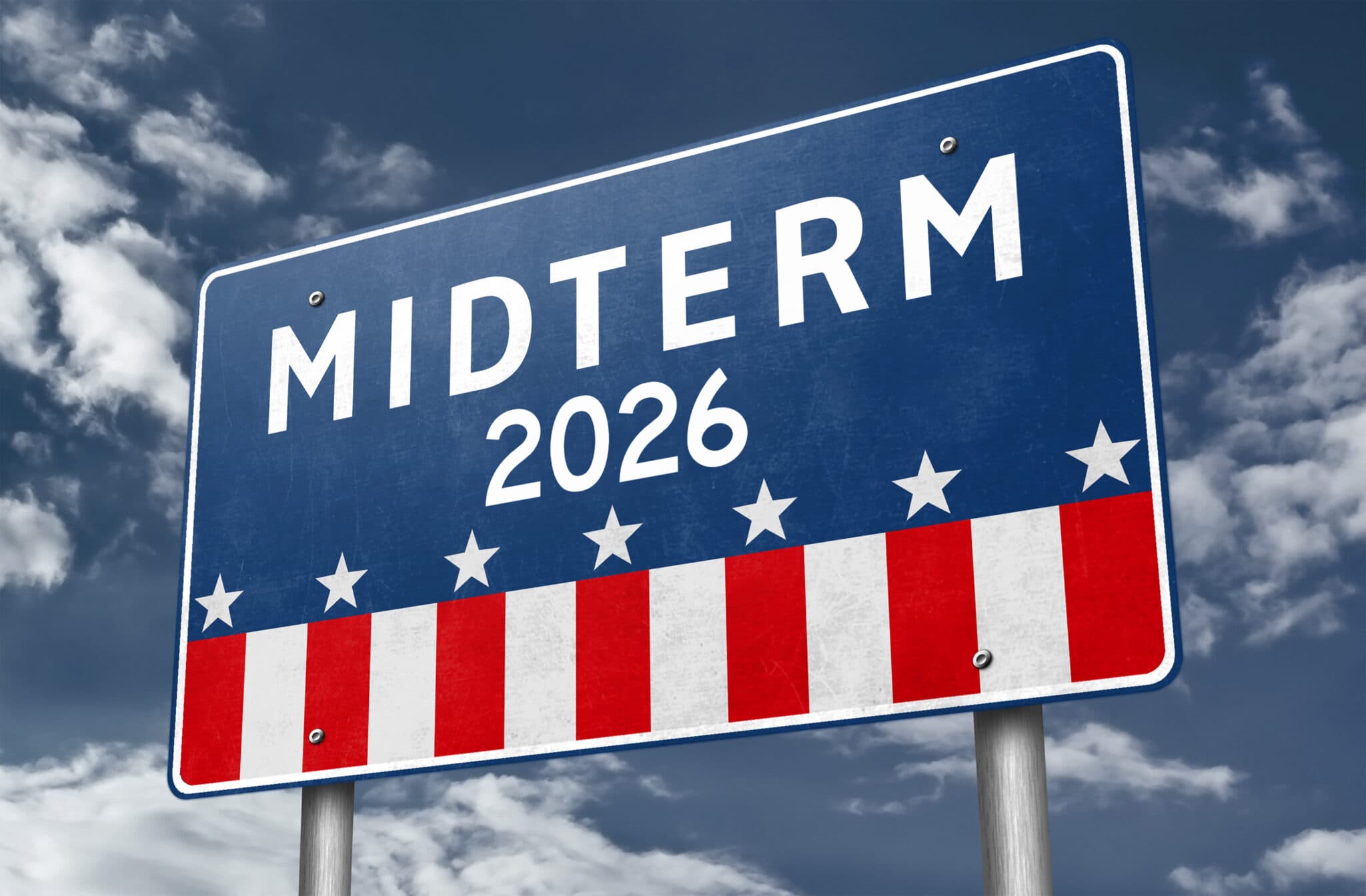
According to the Georgia Recorder, influential political forecasters at Sabato's Crystal Ball have adjusted their predictions on several competitive U.S. Senate races, suggesting improved prospects for Democratic candidates in North Carolina, Alaska, and Ohio. While Republicans remain favored to maintain control of the chamber overall, these shifts indicate tightening contests that could reshape legislative priorities heading into the next Congress. For Dalton-area business leaders, Senate composition directly influences tax policy, trade regulations, and workforce legislation.
The movement in these three races reflects changing voter sentiment and candidate strength in regions critical to national political balance. Georgia business stakeholders should recognize that Senate control affects everything from supply chain regulations to labor standards and infrastructure investment priorities. As Dalton's manufacturing and logistics sectors remain sensitive to federal policy shifts, monitoring these national political trends provides valuable context for strategic planning and advocacy efforts.
Business leaders in Northwest Georgia should remain engaged with election developments and their potential downstream effects on commerce. Regardless of which party gains advantage, the outcome will influence tariff policies, environmental regulations, and federal infrastructure spending—all factors affecting regional competitiveness. Understanding these political dynamics helps local companies anticipate regulatory changes and adjust their federal affairs strategies accordingly.