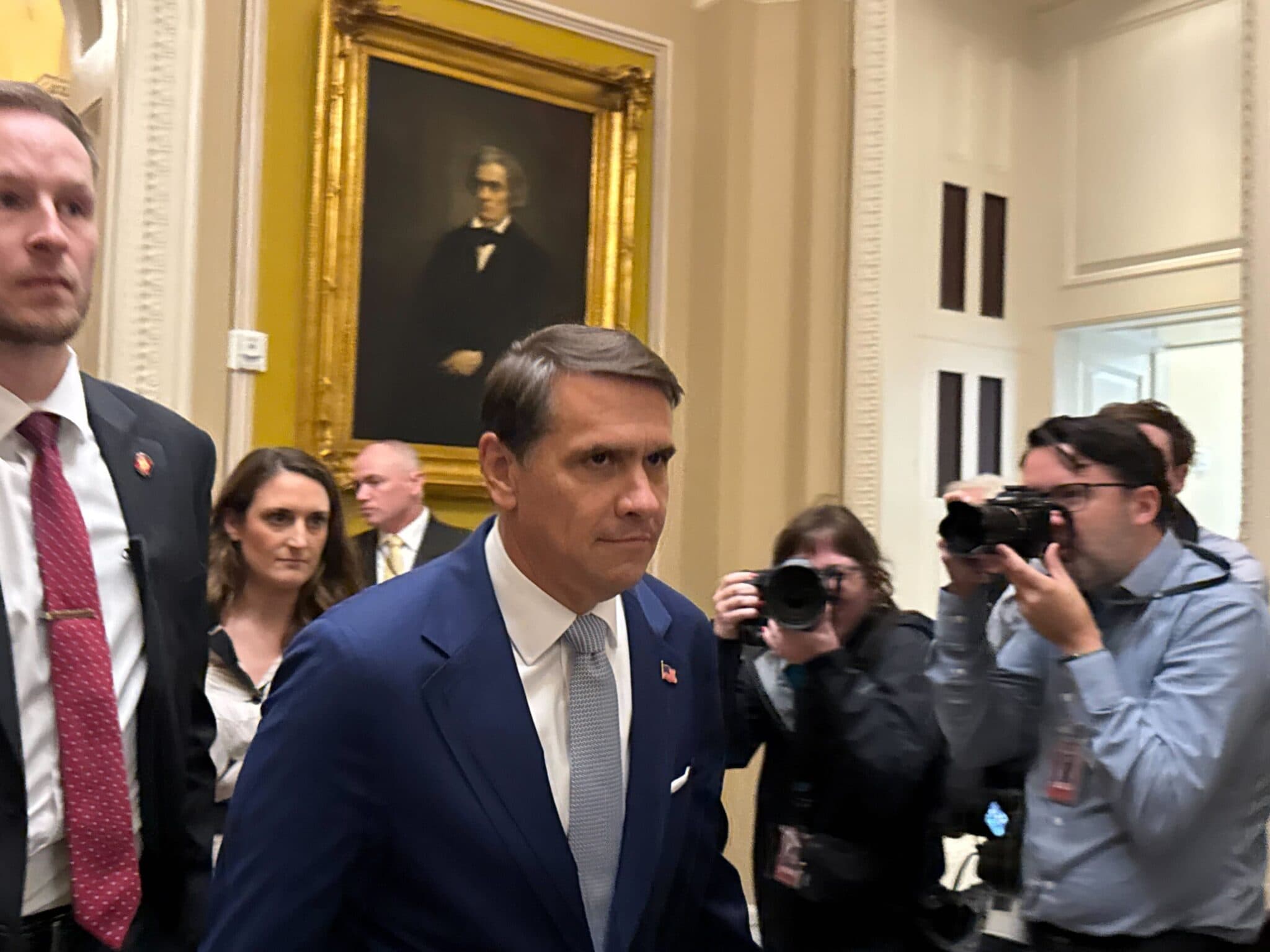
Photo via Georgia Recorder
Senate Republicans are expressing rare disagreement with the Trump administration over a significant immigration enforcement funding bill, according to reporting from the Georgia Recorder. The proposed multibillion-dollar package, intended to support immigration enforcement initiatives through the remainder of President Trump's term, has encountered unexpected resistance on Capitol Hill.
The primary point of contention centers on the administration's newly proposed 'anti-weaponization' fund, which some Senate Republicans view with skepticism. In response to the mounting concerns, the administration deployed Acting Attorney General Todd Blanche to meet directly with Senate GOP members, indicating the White House's effort to build consensus on the controversial provision.
For Dalton-area businesses, particularly those in logistics, manufacturing, and food processing sectors that rely on workforce stability, the outcome of this immigration policy debate carries tangible implications. Uncertainty over enforcement funding and immigration policy directly affects labor availability and operational planning across Georgia's business community.
The delay in passing this legislation underscores broader tensions within the Republican caucus regarding executive priorities and fiscal responsibility. As negotiations continue, business leaders should monitor developments in federal immigration policy, as changes could impact hiring practices, labor costs, and workforce demographics across Northwest Georgia industries.