Photo via Inc.
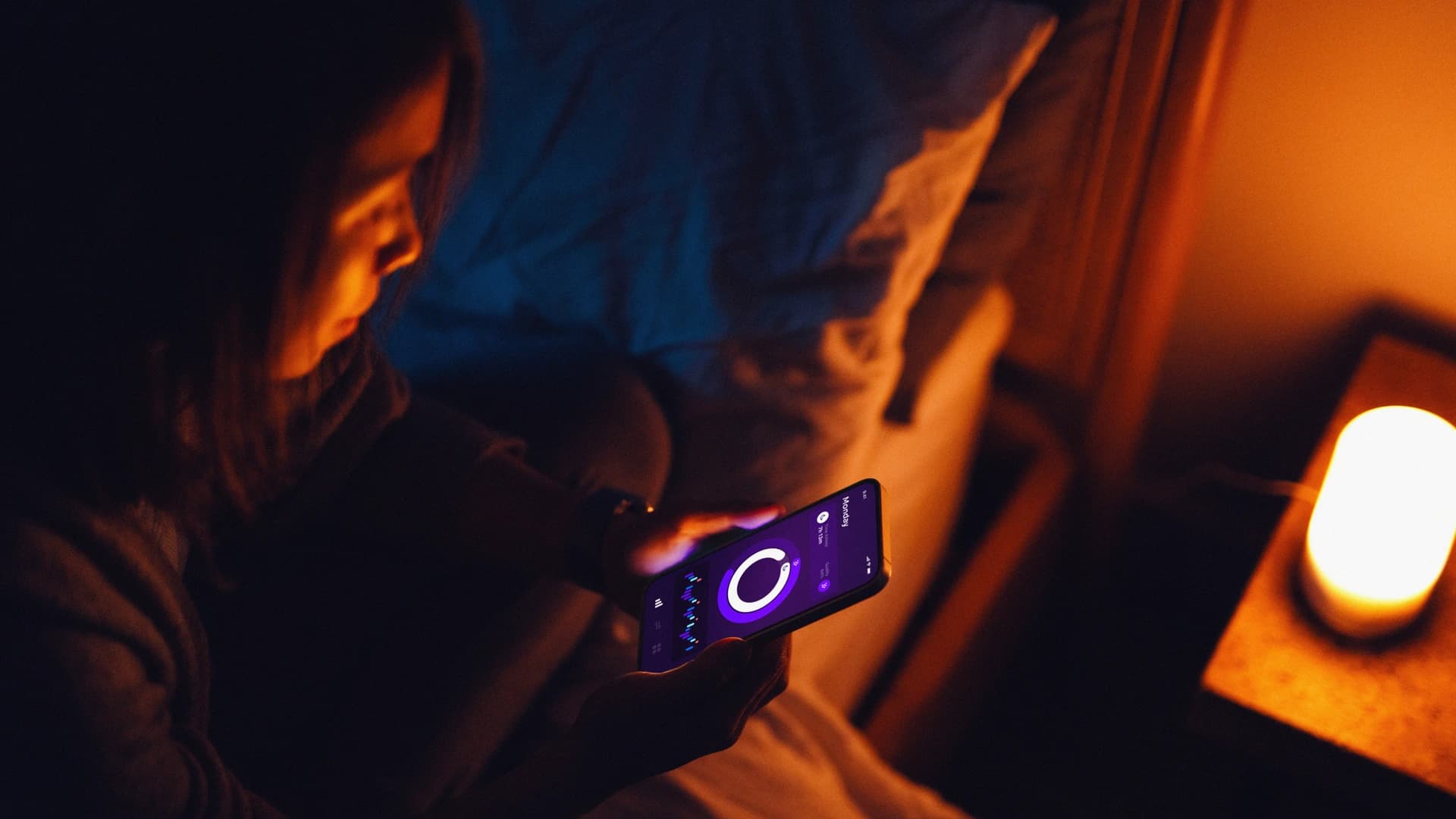
A growing body of research suggests that the booming sleep technology market may be doing more harm than good for those struggling with insomnia. According to Inc., popular sleep apps, wearable rings, and smartwatches marketed as solutions to sleep problems frequently backfire, creating a cycle of anxiety that actually worsens sleep quality. For Dalton-area professionals juggling demanding work schedules, this finding raises important questions about technology investments aimed at personal wellness.
The paradox lies in what researchers call 'orthosomnia'—an obsessive focus on achieving perfect sleep metrics. When users constantly monitor sleep data through apps and devices, they become hyper-aware of their sleep patterns, triggering anxiety that directly undermines rest. The very act of tracking becomes counterproductive, transforming sleep into a performance metric rather than a natural biological process. This trend is particularly relevant for business leaders and entrepreneurs who already operate under high stress.
Healthcare professionals increasingly recommend that insomnia sufferers step away from sleep-tracking technology altogether and instead focus on behavioral approaches like consistent sleep schedules, limiting screen time, and creating conducive sleep environments. These low-tech interventions have proven more effective than expensive gadgets. For companies in Dalton looking to support employee wellness programs, this research suggests redirecting wellness budgets toward evidence-based practices rather than trendy sleep technology.
As the sleep tech industry continues to expand, consumers and businesses should approach these products with healthy skepticism. The lesson for Dalton professionals: not every technological solution solves the problem it claims to address. Before investing in the latest sleep app or wearable, consult healthcare providers about proven methods that don't come with the anxiety-inducing side effects of constant self-monitoring.