Photo via Fast Company
A new publication titled 'Out There: New Architecture Across America' examines how a emerging generation of architects are moving away from large-budget projects and toward community-focused design that leverages local materials and traditional building methods. The book, compiled by Peter MacKeith (dean at the University of Arkansas architecture school), Robert Ivy (former CEO of the American Institute of Architects), and Cathleen McGuigan (former Architectural Record editor), profiles 50 regional and small-town architectural practices that are redefining what American architecture looks like in 2026.
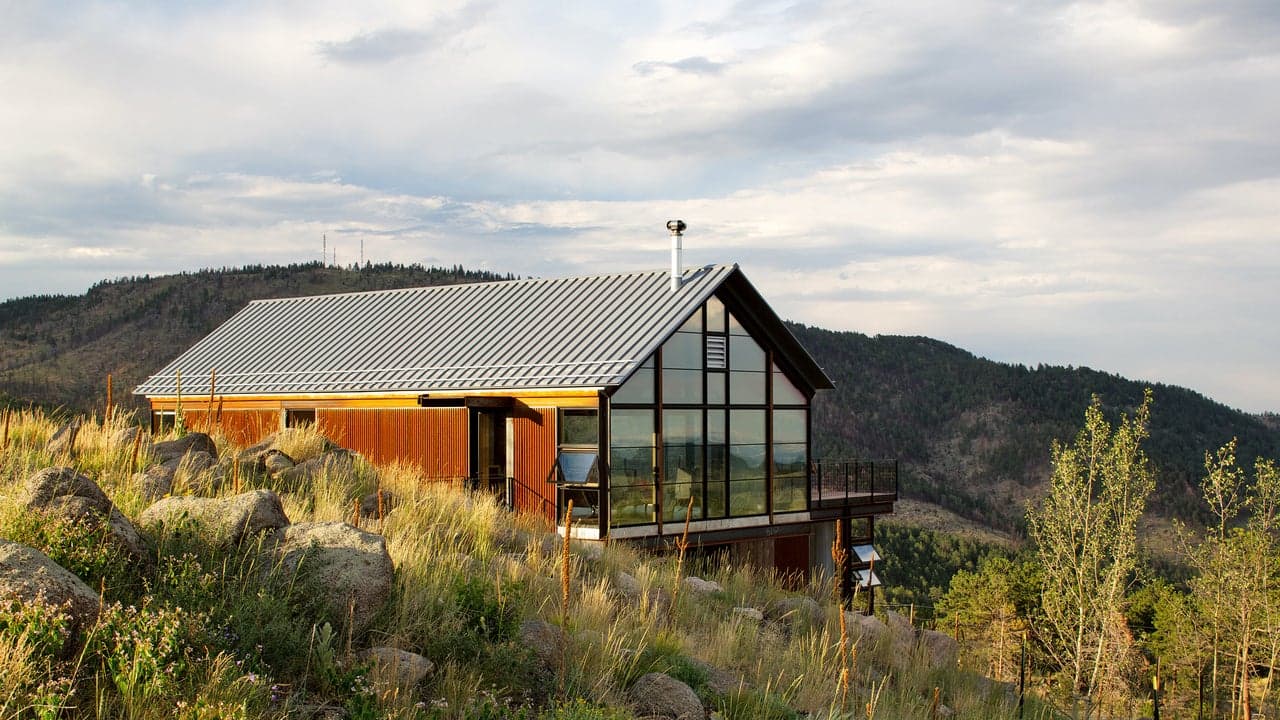
The shift reflects economic reality: according to the American Institute of Architects, billing has declined for 25 consecutive quarters, and renovation work now surpasses new construction as the primary revenue source for most firms. Rather than seeing this as a constraint, featured architects are treating it as an opportunity to innovate. One recurring theme throughout the book is the strategic use of barn-inspired design—not as aesthetic nostalgia, but as a practical building method. As Ross Primmer of De Leon + Primmer Architecture notes, the barn represents 'maximum square footage covered and enclosed with minimum materials and labor,' making it ideal for nonprofits and small communities operating under budget constraints.
Dalton-area business leaders and developers should take note: this approach has proven effective for community anchors across the country. Projects like the Girls Inc. Youth Farm in Memphis used locally inspired design—referencing regional poultry barns—to stretch limited nonprofit funding while creating meaningful gathering spaces. Similarly, adaptive reuse projects in Dallas, Wisconsin, and Nebraska have transformed underutilized buildings into vibrant community hubs. The underlying principle, as MacKeith explains, is about 'producing very good architecture with resourcefulness and attentiveness to local communities.'
For Dalton's commercial real estate market and community development initiatives, this trend suggests opportunity. Developers and design teams working with nonprofits, civic institutions, or budget-conscious clients can adopt these principles: deep engagement with local building traditions, thoughtful material selection, and designs that maximize impact relative to cost. As one featured architect's motto states: 'innovation necessarily equals economy.' In a regional market like Northwest Georgia, that philosophy could unlock new potential for downtown revitalization and community-centered projects.