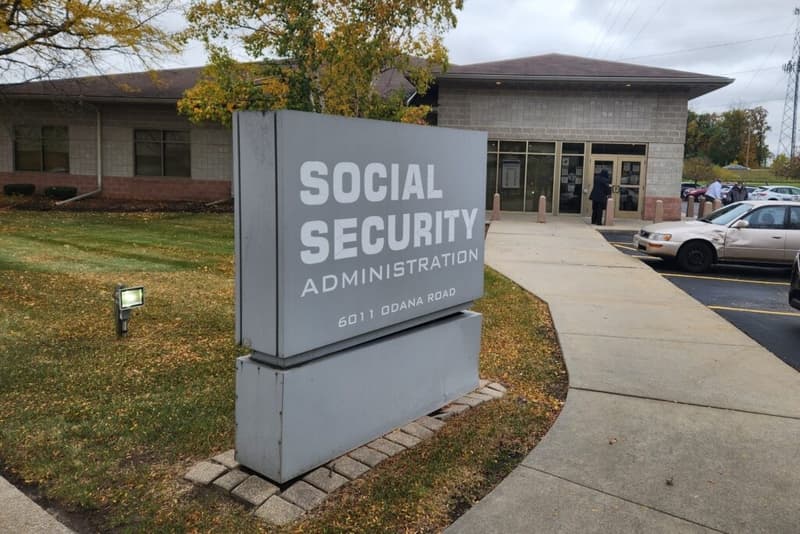
Photo via Georgia Recorder
A new federal report warns that the Social Security trust fund will become depleted in late 2032 unless Congress takes action, according to the Georgia Recorder. The timeline underscores an urgent policy challenge that extends beyond individual retirees—it affects how Dalton-area employers plan benefits packages and anticipate workforce demographics in the coming decade.
For local businesses and manufacturers, the Social Security crisis carries real implications. Companies across the carpet industry and other regional sectors rely on stable benefit systems to attract and retain experienced workers. A sudden reduction in benefits could destabilize retirement planning for employees nearing their final working years, potentially affecting talent retention strategies and workforce stability in Northwest Georgia.
Business leaders in Dalton should monitor Congressional discussions closely, as potential solutions could range from tax adjustments to benefits reforms. The six-year window provides time for legislative action, but uncertainty around final outcomes makes it prudent for regional employers to review their retirement benefit offerings and communicate proactively with employees about long-term planning.