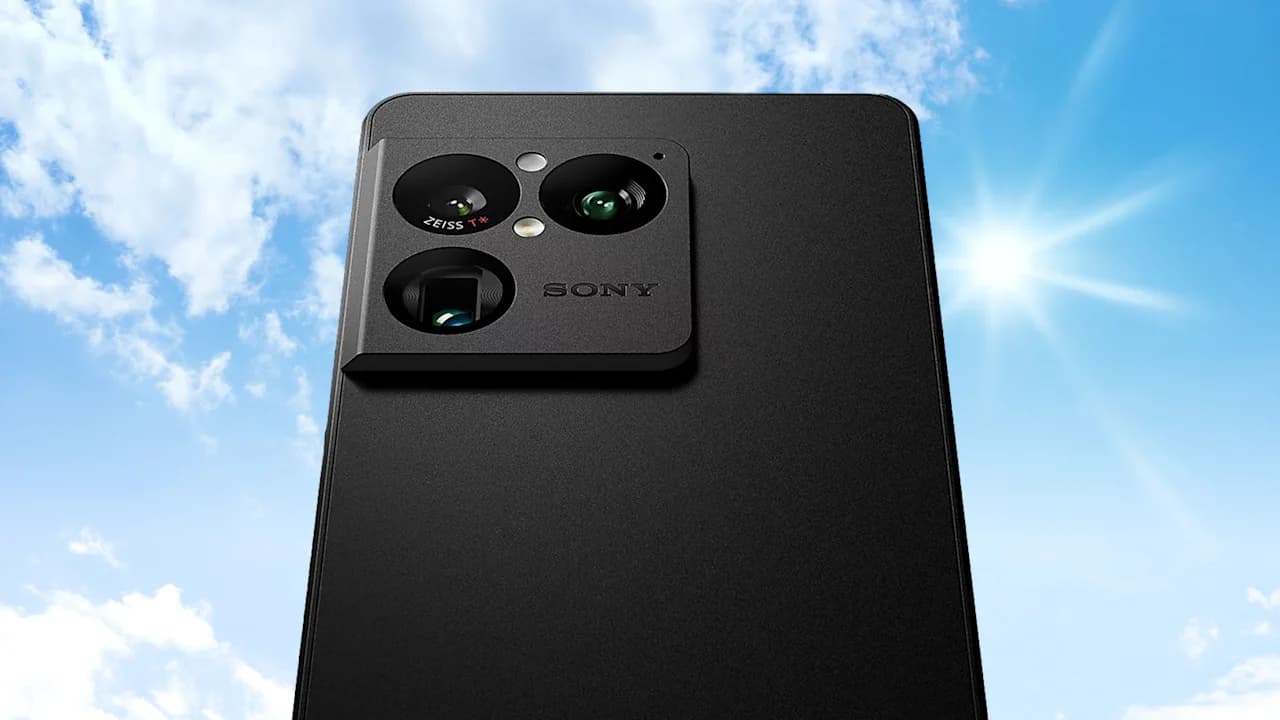
Photo via Fast Company
Sony's recent promotional campaign for its new AI Camera Assistant on the Xperia smartphone backfired spectacularly, turning what should have been a feature highlight into an internet-wide mockery session. The company shared before-and-after photo examples meant to showcase the tool's lens, exposure, and color-adjustment capabilities, but the results instead demonstrated the opposite: overexposed images lacking depth and contrast that looked worse than the originals, according to Fast Company.
The social media response was swift and brutal, with users flooding the comments section with criticism and satirical posts. One commenter noted that if Sony's AI represented intelligence, they'd prefer their phone remain 'dumb.' The original post accumulated over 11 million views and thousands of comments, prompting industry observers—including Nothing CEO Carlos Pei—to question whether the disaster was intentional engagement farming rather than a genuine product misstep.
Sony's clarification, posted a day later, attempted damage control by explaining that the feature suggests four different creative settings rather than automatically editing photos. However, the explanation arrived too late to stem the viral momentum. The incident highlights a growing trend among major technology brands using controversy and rage-bait to drive engagement, a strategy that can backfire when audiences perceive it as manipulative or inauthentic.
For Dalton-area businesses and technology decision-makers, Sony's stumble serves as a reminder of the importance of quality control in corporate communications. Whether intentional or not, poorly executed marketing erodes brand credibility and customer trust—lessons that apply equally to large corporations and local enterprises managing their online presence.