Photo via Inc.
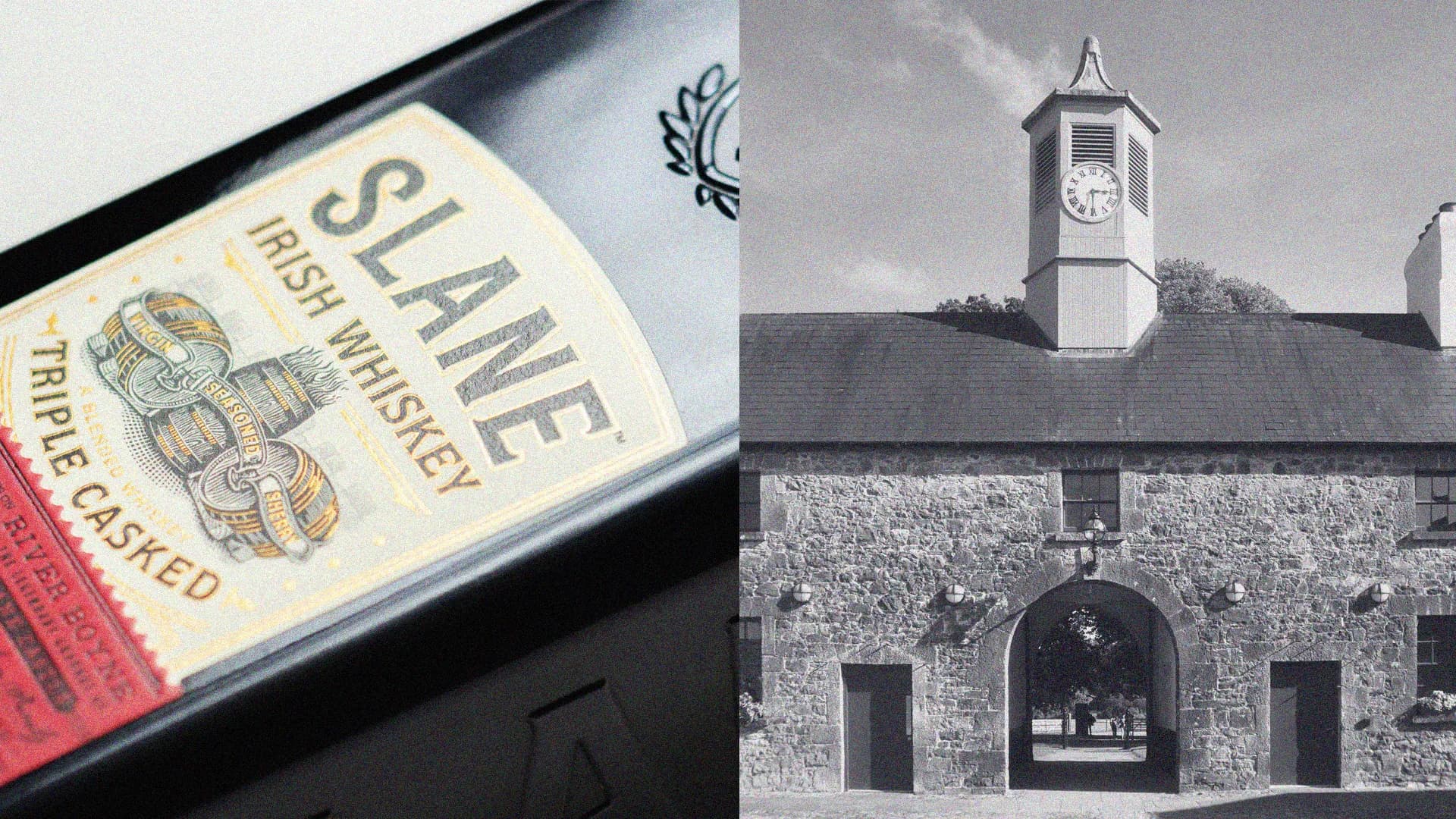
According to Inc., spirits manufacturer Brown-Forman has temporarily halted production at its Slane Castle distillery in Ireland, a $50 million facility. The move reflects mounting pressures in the global whiskey market, which has experienced a notable slowdown in recent months. This marks the second significant production pause the company has implemented across its operations in 2024, signaling deeper challenges within the sector.
The spirits industry slowdown carries implications for Georgia's robust bourbon and whiskey production ecosystem. While Brown-Forman's operations are primarily centered in Kentucky and Ireland, the company's market struggles underscore broader demand headwinds affecting distillers nationwide. For Dalton-area businesses connected to supply chains serving the spirits industry—from logistics providers to packaging manufacturers—shifts in production volumes can have cascading effects on regional commerce.
Market analysts attribute the slowdown to evolving consumer preferences, elevated inventory levels at distributors, and economic pressures dampening spirits consumption in key markets. The combination of these factors has prompted major producers to recalibrate production strategies. Brown-Forman's decision to pause operations temporarily may allow the company to realign supply with softening demand rather than accumulate excess inventory.
As the spirits industry navigates this cyclical downturn, Georgia businesses serving related sectors should monitor how major producers adjust their operations and sourcing strategies. Understanding these macro trends helps local companies anticipate potential changes in orders, partnerships, and regional economic activity tied to the broader beverage and manufacturing industries.