Photo via Fortune
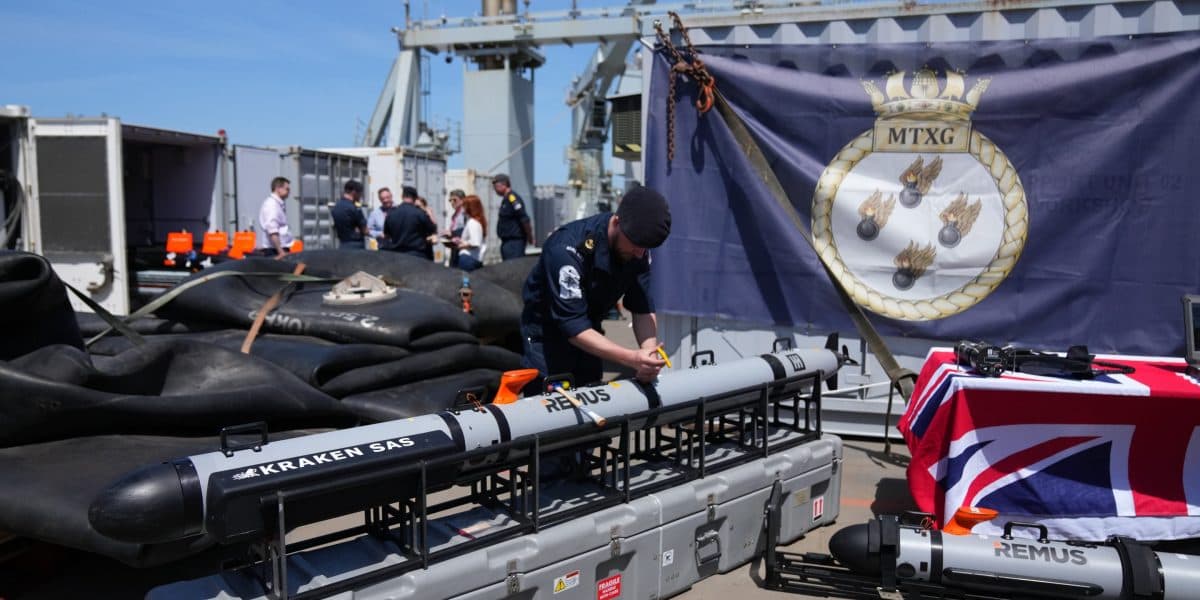
According to Fortune, Britain's Royal Navy is mobilizing resources to address potential mine threats in the Strait of Hormuz, one of the world's most strategically important waterways for energy transport. The RFA Lyme Bay, a naval support vessel, is preparing to depart Gibraltar and coordinate with HMS Dragon, a British destroyer, alongside allied military assets to conduct mine-clearing operations in the Persian Gulf region.
The timing of this initiative depends entirely on diplomatic progress between the United States and Iran. Military planners are staging assets and preparing logistics chains, but active clearing operations remain contingent on a negotiated peace agreement between the two nations. This conditional approach reflects the delicate geopolitical balance in the region and the complex international coordination required for such operations.
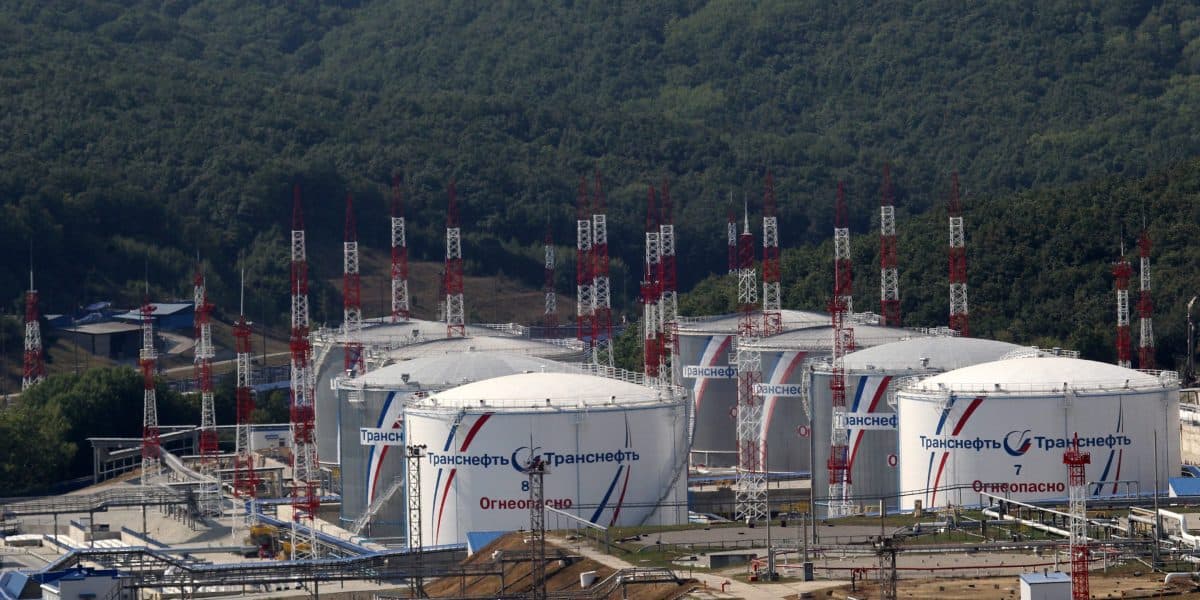
For energy-dependent sectors in the Dalton area—particularly manufacturers and logistics operations relying on stable fuel costs and supply chain predictability—developments in the Strait of Hormuz carry real economic significance. Approximately one-third of seaborne traded oil passes through this chokepoint, making regional stability crucial for businesses sensitive to energy price volatility.
The deployment of allied naval forces underscores international commitment to maintaining freedom of navigation and protecting global commerce. Should diplomatic negotiations succeed, mine-clearing operations would help ensure uninterrupted passage for commercial shipping and reduce geopolitical risk premiums in energy markets—developments that could benefit businesses across Northwest Georgia dependent on stable commodity pricing and reliable supply chains.