Photo via Fortune
As diplomatic negotiations between the United States and Iran continue, regional security concerns are intensifying among policy experts and energy industry observers. According to Fortune, Trump administration allies are warning policymakers against allowing perceptions that could destabilize one of the world's most critical energy corridors—the Strait of Hormuz, through which roughly one-third of global maritime oil trade passes daily.
For Dalton-area manufacturers and logistics companies, disruptions to Middle Eastern energy supplies directly impact operational costs and supply chain reliability. The region's petrochemical production feeds into countless industrial processes, from carpet manufacturing to textile finishing—industries foundational to Northwest Georgia's economy. Energy price volatility resulting from geopolitical uncertainty can significantly affect production margins for local producers.
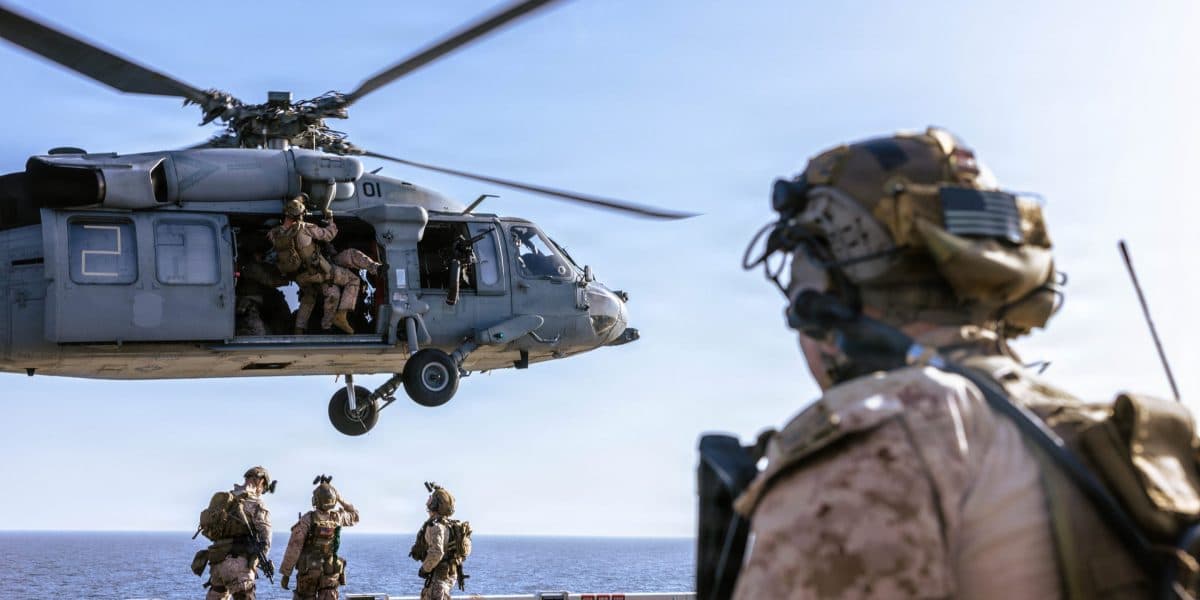
Security experts cited in the reporting express skepticism about assumptions regarding Iran's ability to control regional shipping lanes. These specialists argue that international naval forces and regional partners possess sufficient capability to protect vital trade routes, though such protective measures come with their own economic costs passed along supply chains.
For Dalton business leaders, monitoring developments in Middle Eastern geopolitics and their potential impact on energy costs and shipping rates remains essential for strategic planning. Supply chain professionals should consider building contingencies into long-term contracts and evaluating diversification opportunities to hedge against regional volatility.